

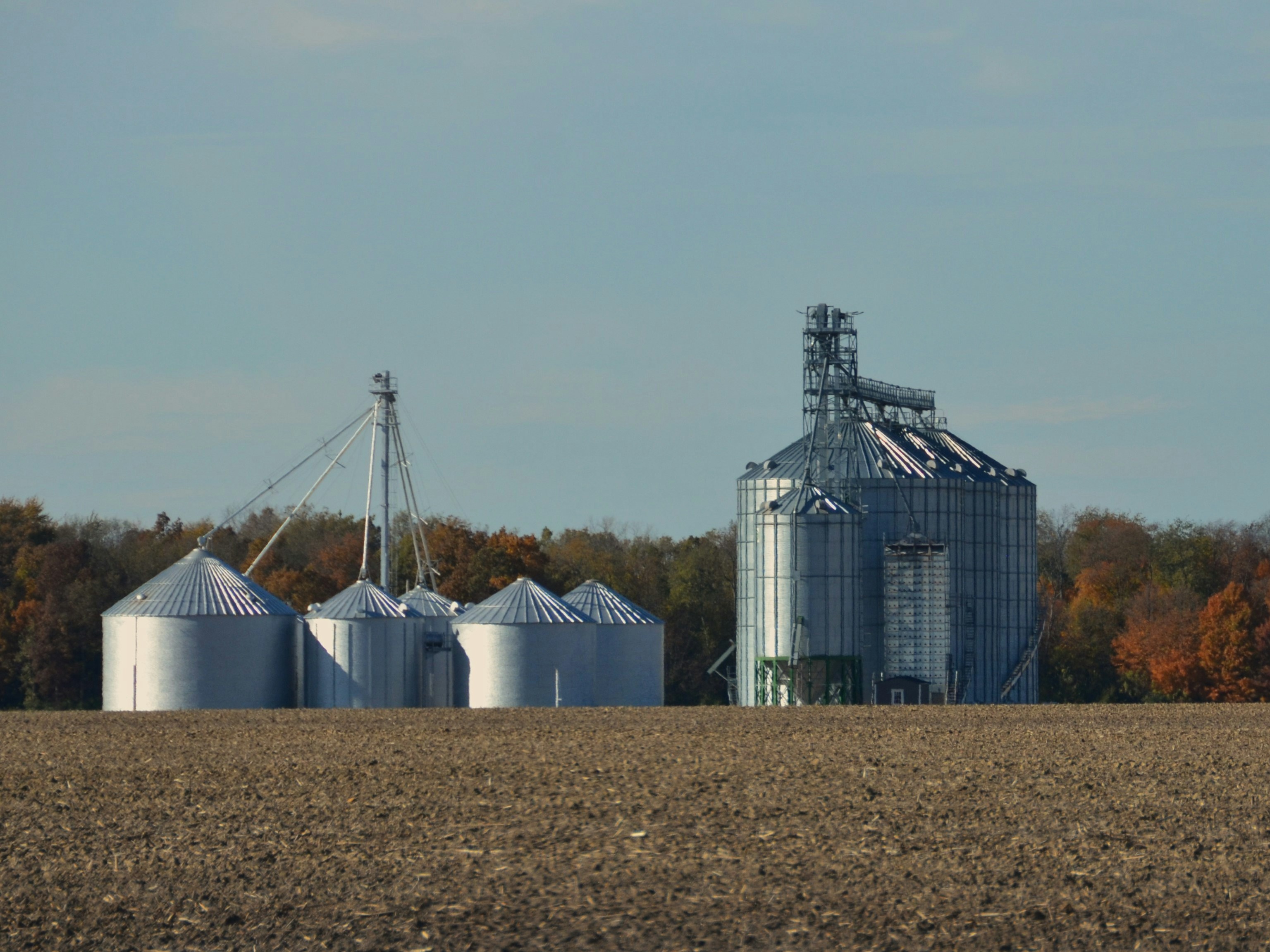
Agriculture contributes approximately 13% of Indonesia's GDP and employs more than 28% of the national workforce making it a foundational sector for food security and rural livelihoods. Indonesia is a top global producer of a range of commodities including palm oil, rubber, cocoa, coffee, and spices. However, the agricultural sector is the second-largest source of national GHG emissions after energy with land clearing, rice cultivation methane, livestock enteric fermentation, and fertilizer use collectively contributing an estimated 140 million tonnes of CO₂ equivalent annually.
International agricultural buyers from multinational food companies to retailers are enforcing zero-deforestation commitments, supplier sustainability scorecards, and supply chain traceability requirements. The EUDR extends beyond palm oil to cover soy, cattle, coffee, cocoa, and wood widening compliance obligations significantly. At the same time, climate change is creating direct agricultural risk: shifting rainfall patterns, temperature extremes, and soil degradation threaten yields and supply chain continuity. Agribusiness companies that invest in sustainability programs today will be better positioned to maintain market access, manage climate risk, and access preferential green financing.
.jpg)

.jpg)
.jpg)

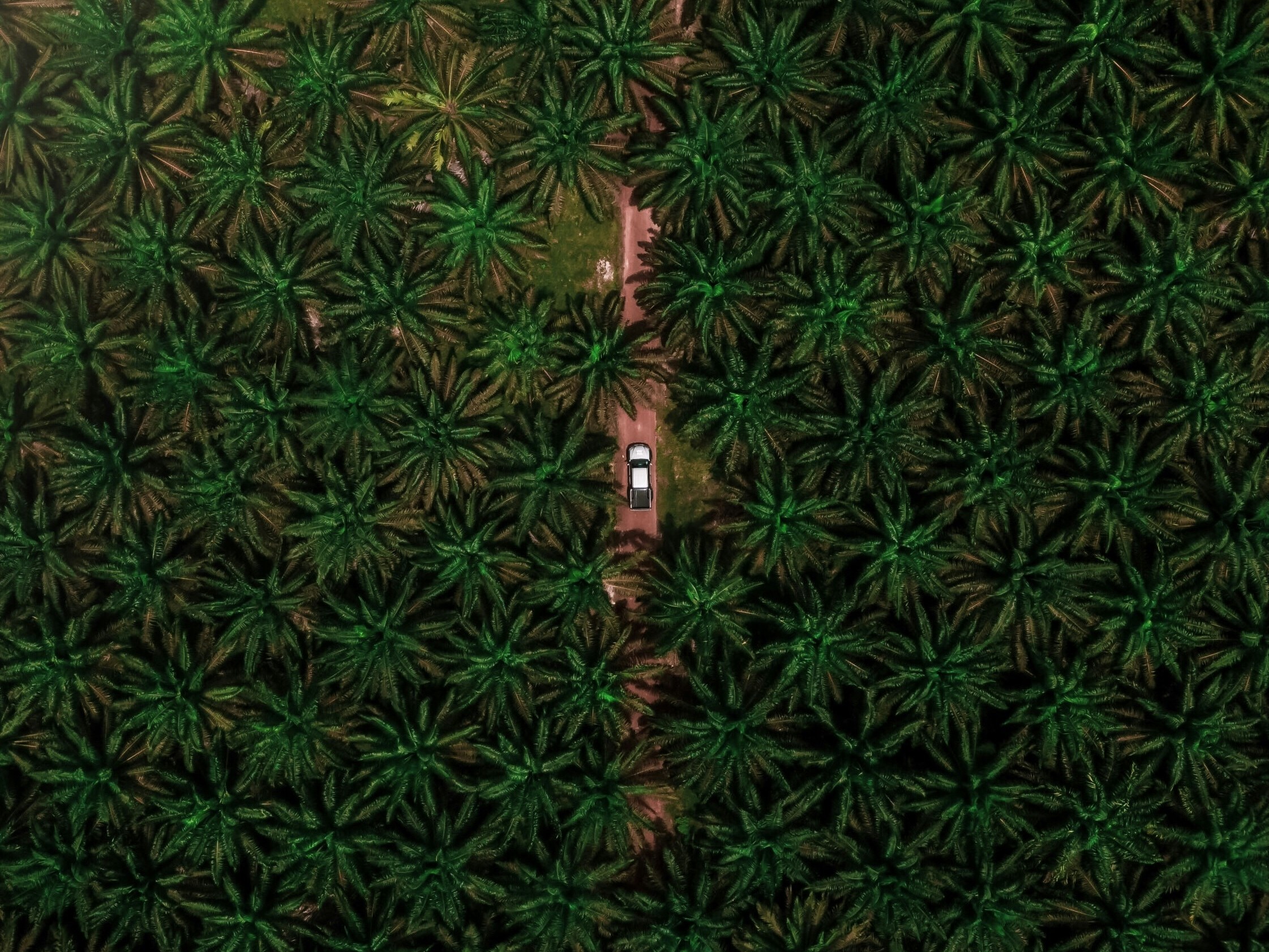
EUDR now covers coffee, cocoa, rubber, and soy alongside palm oil — and agribusiness companies without commodity-specific traceability systems risk simultaneous market access disruption across multiple product lines when enforcement begins.

When millions of smallholder farmers in the supply chain lack sustainability training and data systems, the weakest environmental performance in the network determines the credibility of a company's entire deforestation-free commitment — creating systemic supply chain risk.
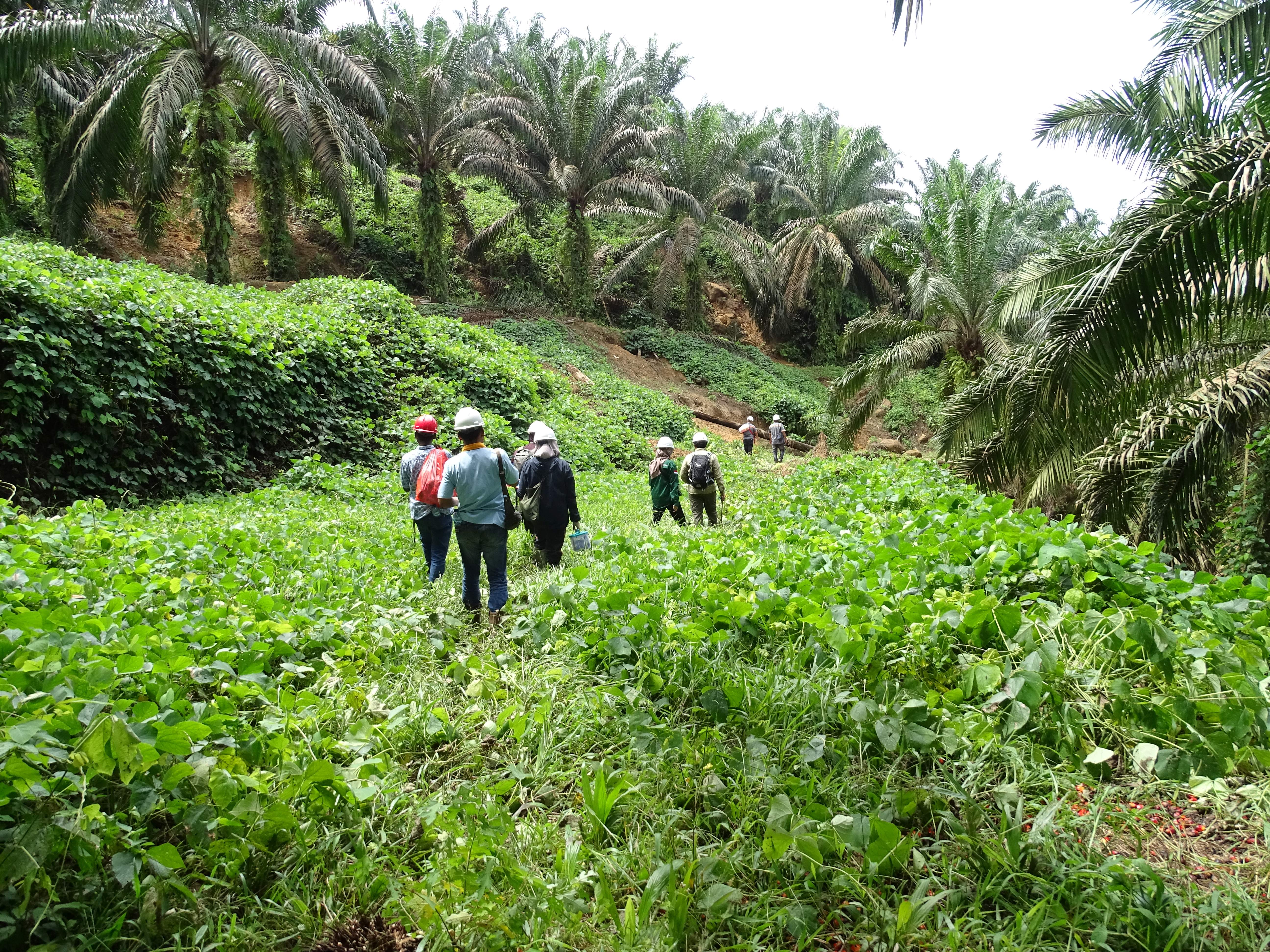
Shifting rainfall patterns and temperature variability are creating growing supply chain disruption risk for agribusiness operations — and companies without climate risk assessments cannot represent supply chain resilience credibly to buyers, investors, or insurers.


Antasena 2, Gg. Antasena II, RT.03/RW.18, Tegal Weru, Sariharjo, Kec. Ngaglik, Kabupaten Sleman, Daerah Istimewa Yogyakarta


.png)

.jpg)

