

.jpg)
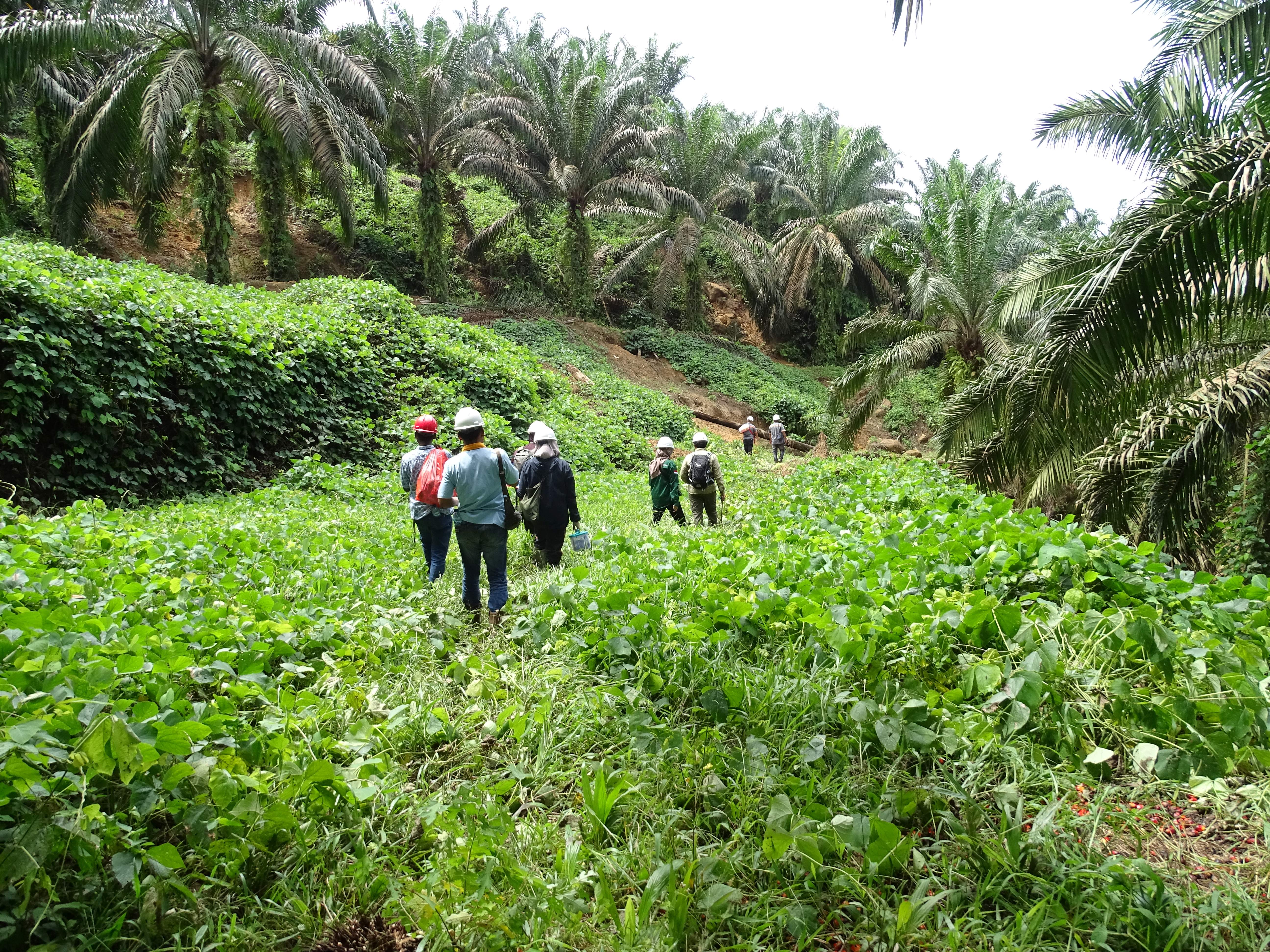
Indonesia's FMCG sector is one of Southeast Asia's largest, driven by a population of 275 million and rising middle-class consumption. Major segments include food and beverages, personal care, household products, and packaged goods with both domestic champions (Indofood, Wings, Unilever Indonesia) and international brands operating at scale. The sector generates significant environmental impacts across its value chain: agricultural raw material sourcing (palm oil, sugar, soy), energy-intensive manufacturing processes, water consumption, plastic packaging waste, and cold chain refrigerant emissions.
FMCG sustainability is increasingly a commercial imperative, not merely a reputational concern. Nielsen research indicates that 73% of global consumers are willing to pay a premium for sustainable products while major retail buyers including Carrefour, AEON, and international grocery chains are enforcing supplier sustainability scorecards. Indonesia's Extended Producer Responsibility (EPR) regulation for plastic packaging (Permen LHK P.75/2019) imposes mandatory targets for plastic waste recovery. Meanwhile, Scope 3 supply chain emissions from agricultural raw materials represent 70–90% of total FMCG carbon footprints, creating pressure for credible supplier engagement programs.
.jpg)

.jpg)
.jpg)
.jpg)

For most FMCG companies, 70–90% of total carbon footprint sits in Scope 3 supply chain emissions — and without structured measurement and supplier engagement programs, credible net zero claims and investor carbon disclosures remain impossible to substantiate.

Indonesia's EPR framework imposes mandatory plastic waste recovery targets on FMCG producers, and companies approaching these obligations reactively will face escalating compliance costs, regulatory penalties, and brand damage in a consumer market increasingly focused on packaging accountability.
Regulators and consumers are tightening scrutiny on sustainability claims — and FMCG brands that make broad environmental assertions without verified LCA, GHG data, or recognized certifications face growing exposure to regulatory action and consumer backlash.


Antasena 2, Gg. Antasena II, RT.03/RW.18, Tegal Weru, Sariharjo, Kec. Ngaglik, Kabupaten Sleman, Daerah Istimewa Yogyakarta


.png)

.jpg)

