

.jpg)
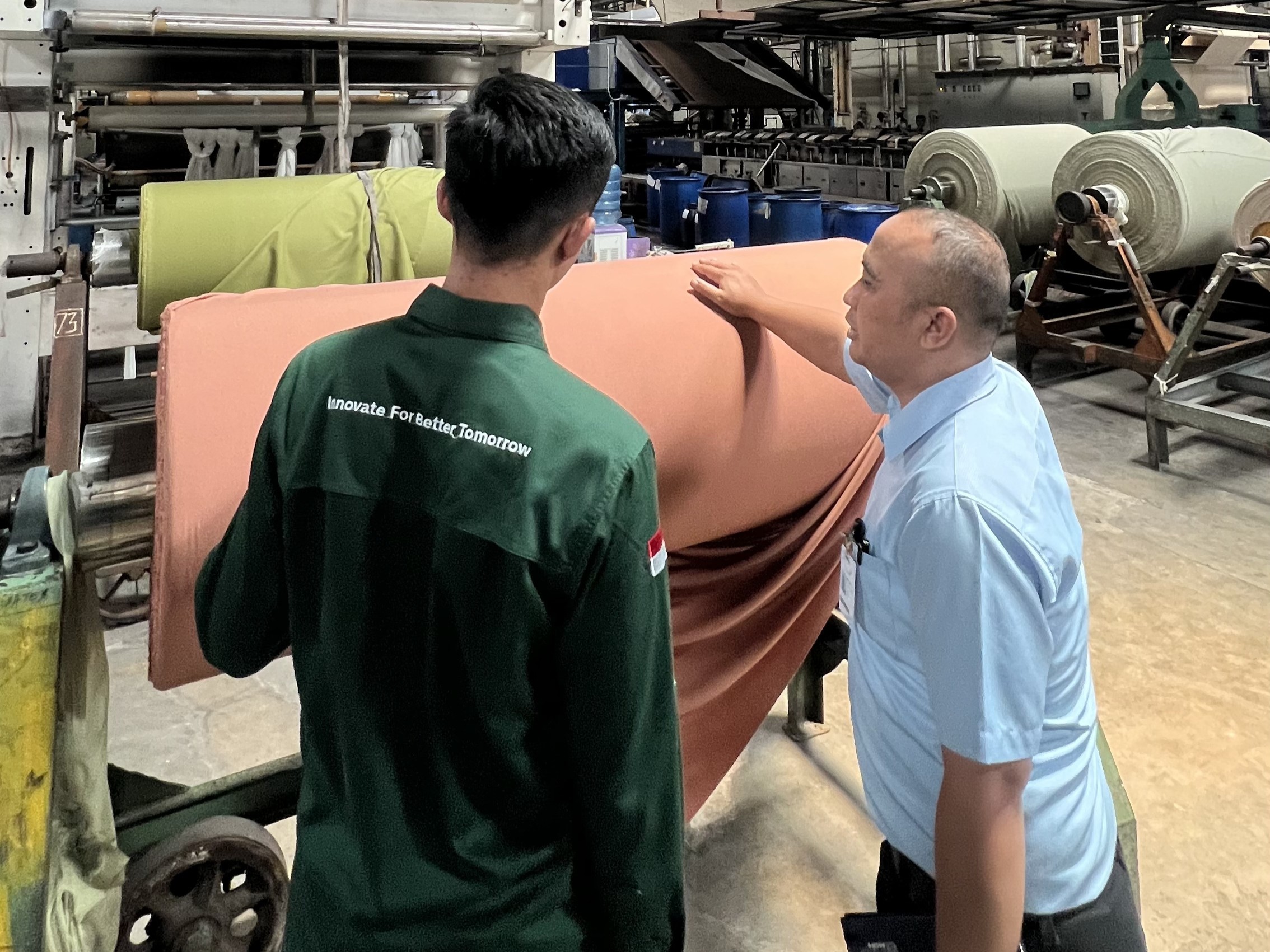
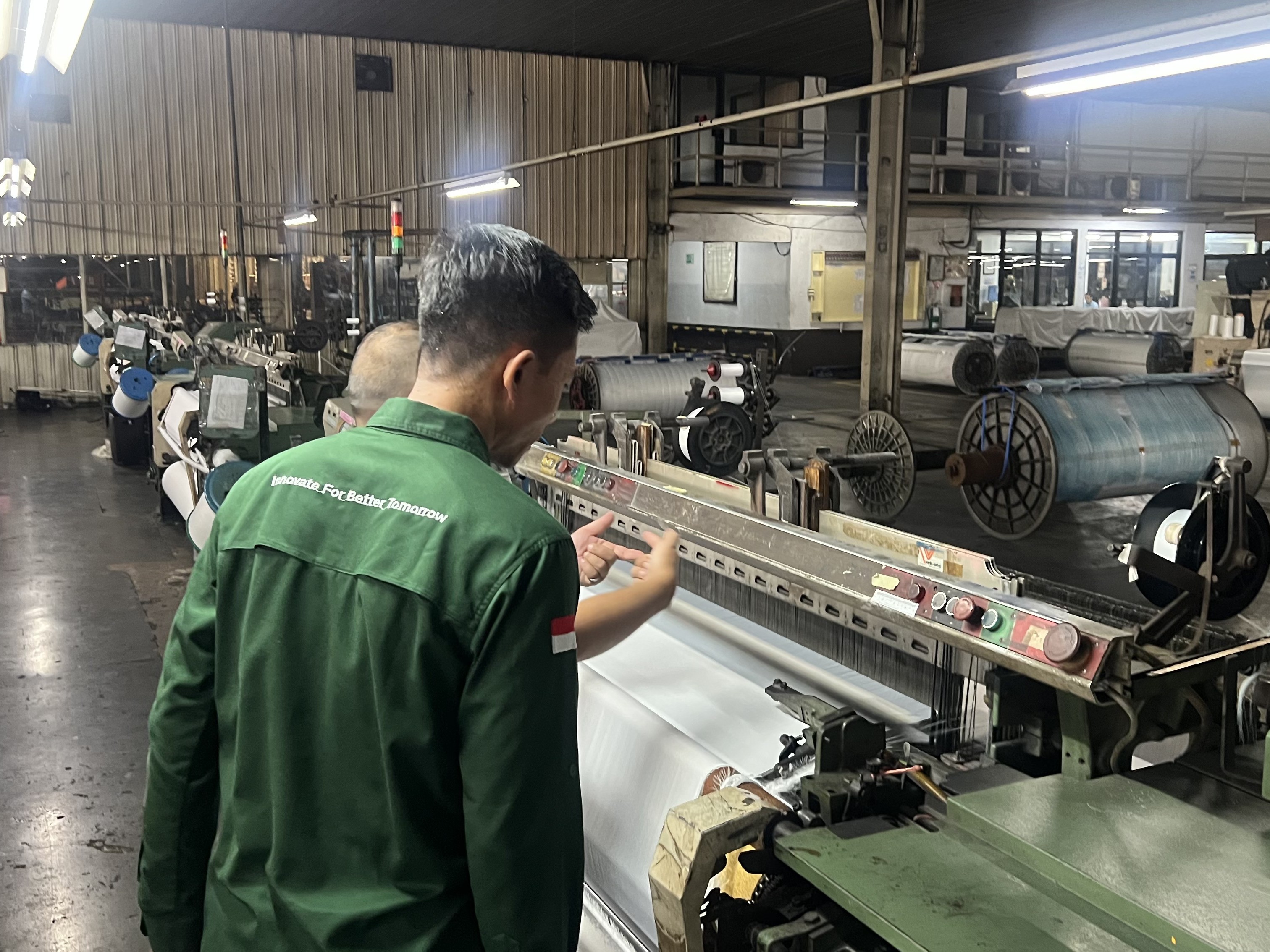
Indonesia's textile and garment industry is one of the world's top 10 producers, generating approximately USD 13 billion in annual exports and employing over 4 million workers. The sector is a cornerstone of Indonesia's labor-intensive manufacturing base, with clusters in West Java, Central Java, and East Java supplying international brands including H&M, Zara, and Nike. However, the textile industry is among the most resource-intensive in manufacturing consuming approximately 93 billion cubic meters of water globally per year and generating roughly 20% of industrial water pollution worldwide from dyeing and finishing processes.
International fashion brands are enforcing increasingly stringent supplier sustainability requirements: Higg Index verification, chemical compliance (ZDHC MRSL), carbon footprint disclosure, and water impact reporting are now table stakes for tier-1 supplier relationships. The EU's Green Deal and Corporate Sustainability Due Diligence Directive (CS3D) extend legal liability for environmental impacts to brand supply chains driving audit requirements downstream to Indonesian manufacturers. Energy costs represent 8–12% of production costs in textile mills meaning energy efficiency programs generate both environmental and direct financial returns. Manufacturers who invest proactively in sustainability will secure longer-term buyer relationships and access preferential financing from development finance institutions.

.jpg)


Textile dyeing generates large volumes of chemically complex effluent that is difficult to treat to PROPER and ZDHC standards — and facilities that cannot demonstrate credible water management improvements face both regulatory penalties and loss of preferred supplier status with international brands.

Fashion brands are using Higg FEM scores as a supplier qualification filter — and Indonesian facilities with low or unverified scores are being progressively deprioritized in order allocation and long-term contract decisions by the global brands they supply.
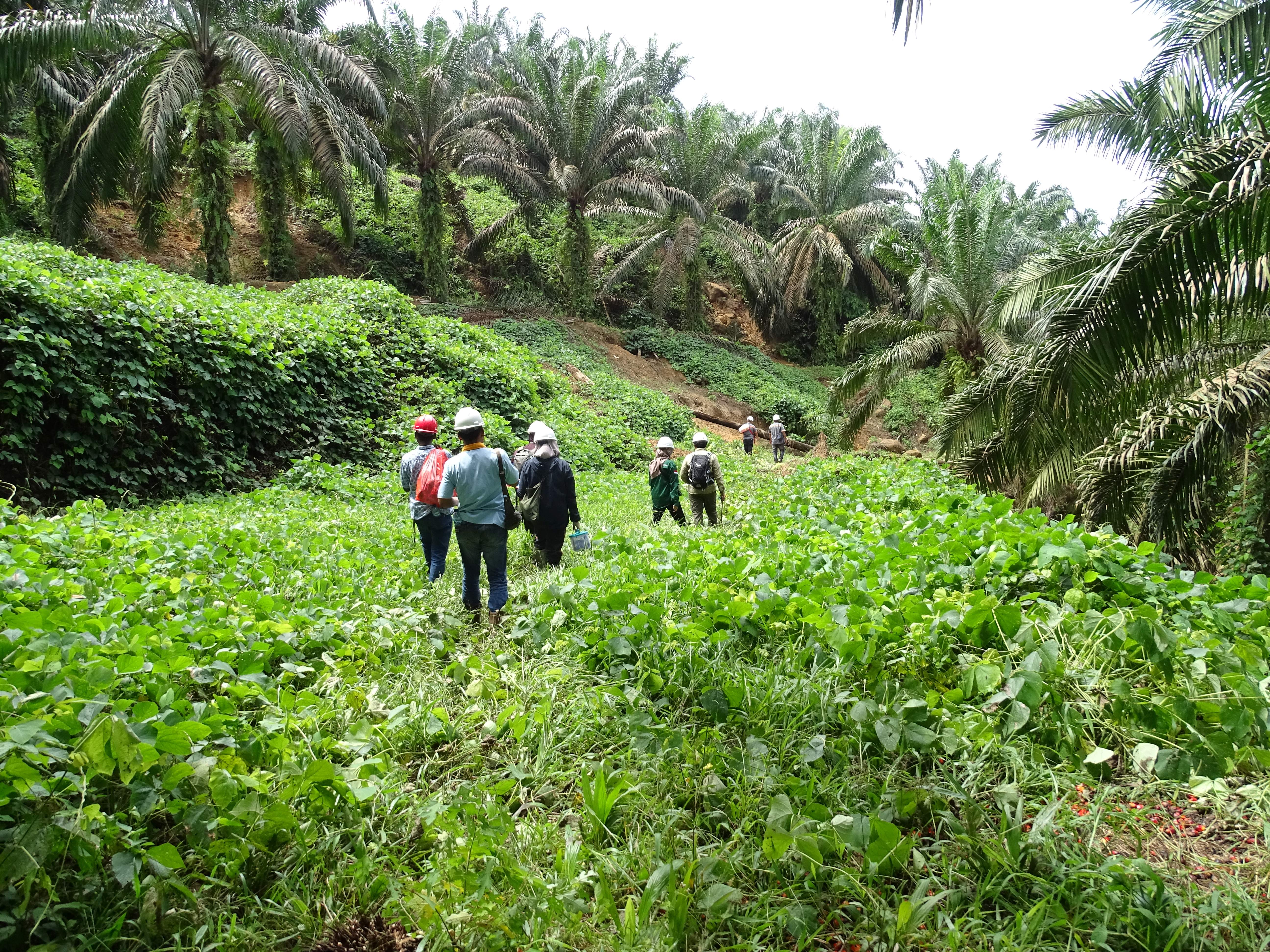
Energy represents 8–12% of textile production costs, yet most mills have not conducted systematic efficiency audits — while international brands are simultaneously requiring Scope 1 and 2 GHG disclosures as part of their own net zero supply chain commitments.


Antasena 2, Gg. Antasena II, RT.03/RW.18, Tegal Weru, Sariharjo, Kec. Ngaglik, Kabupaten Sleman, Daerah Istimewa Yogyakarta


.png)

.jpg)

