

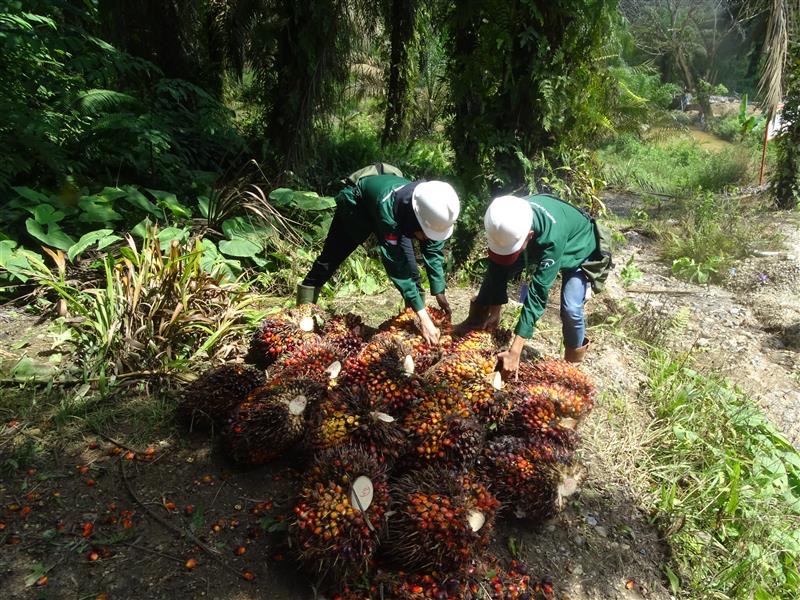
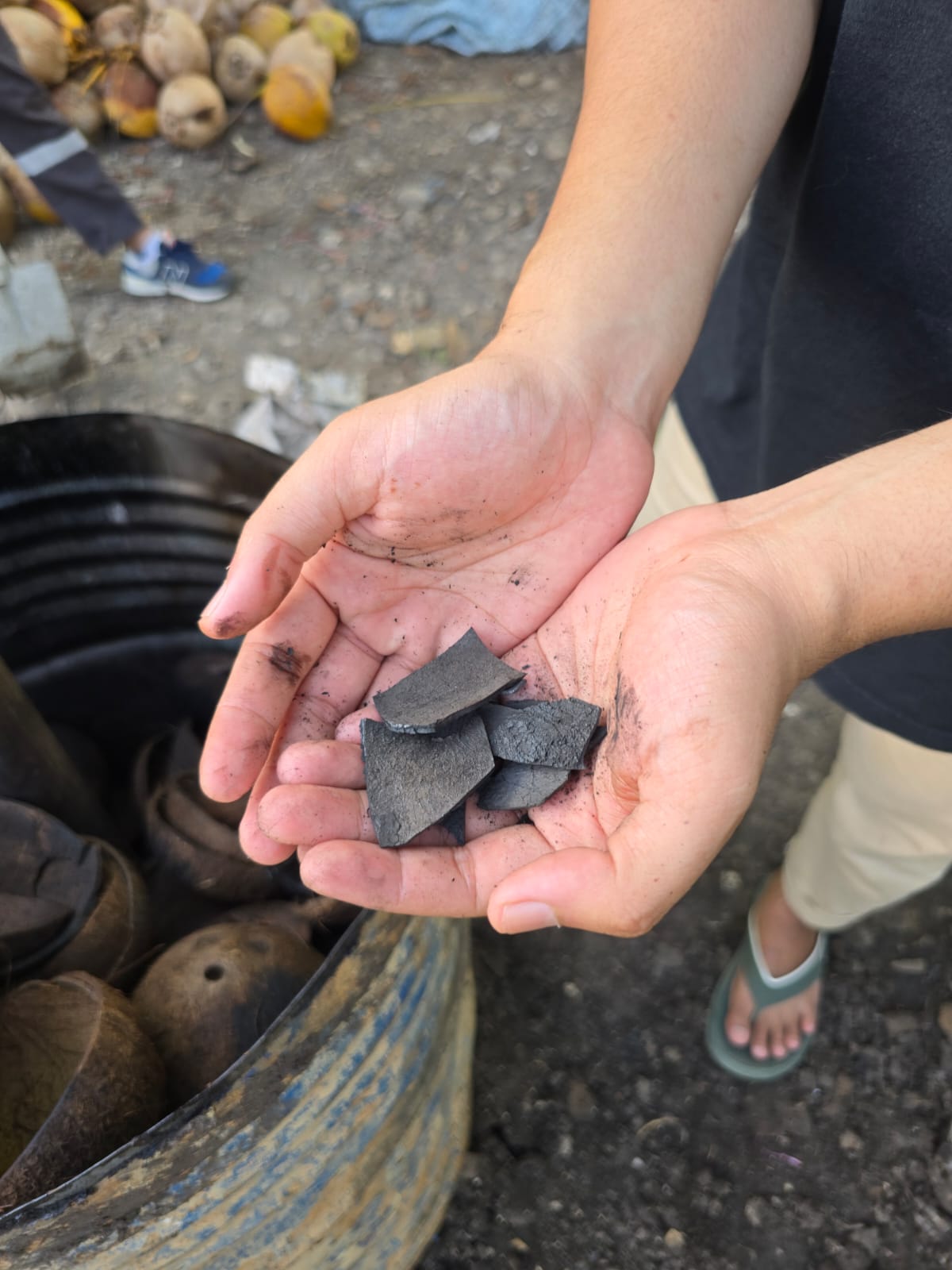
Indonesia generates vast quantities of agricultural and industrial biomass residues — from palm oil empty fruit bunches and palm kernel shells to sugarcane bagasse, rice husks, and organic industrial effluents — that represent significant untapped energy potential. Converting these materials to energy through biogas, direct combustion, co-firing with coal, or thermochemical upgrading can reduce fossil fuel consumption, lower GHG emissions, generate carbon credits, and in some cases create new revenue streams.
Develop detailed feasibility study including technical design basis, capital cost estimate, operating cost model, energy yield projections, and financial analysis. Assess permitting requirements and sustainability certification pathway.
Develop front-end engineering design for selected technology. Prepare environmental and operating permit applications. Develop biomass sustainability certification documentation if required.
Support procurement and contractor selection. Provide construction oversight and commissioning support. Establish biomass supply chain agreements and operational monitoring systems.


Antasena 2, Gg. Antasena II, RT.03/RW.18, Tegal Weru, Sariharjo, Kec. Ngaglik, Kabupaten Sleman, Daerah Istimewa Yogyakarta
