

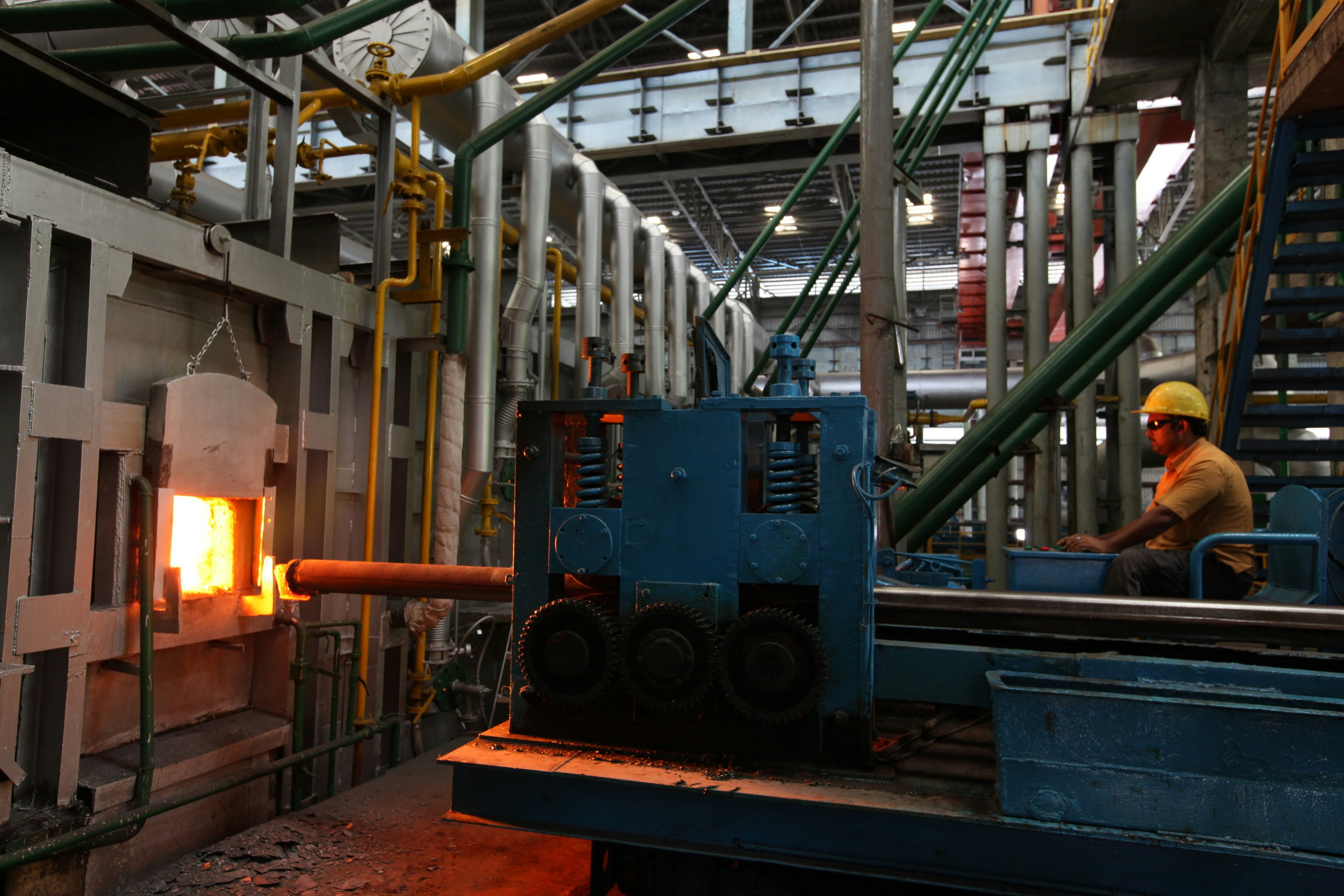
Indonesia's steel industry has grown rapidly, with crude steel production exceeding 15 million tonnes per year driven by infrastructure investment, automotive supply chains, and the nickel-to-steel downstream processing program. The Morowali Industrial Park and associated steel complexes represent some of the largest new industrial investments in Indonesian history. Steel production is inherently carbon-intensive: traditional blast furnace-basic oxygen furnace (BF-BOF) routes emit approximately 1.8–2.2 tonnes of CO₂ per tonne of steel. Even electric arc furnace (EAF) routes depend on the carbon intensity of the electricity grid. Indonesia's steel sector emits an estimated 20–30 million tonnes of CO₂ annually.
The European Union's Carbon Border Adjustment Mechanism (CBAM) covers steel and iron as priority sectors with full implementation from 2026. Indonesian steel exports to the EU will face carbon adjustment costs that could render non-compliant product uncompetitive. Simultaneously, major steel buyers in automotive (Toyota, Honda, Hyundai) and construction are enforcing green steel procurement criteria, requiring verified carbon footprint documentation and transition roadmaps. Indonesia's domestic carbon trading system and climate policy targets are also creating increasing regulatory cost exposure for high-emission steel producers. Early movers in decarbonization will gain both market access and financial advantages.
.jpg)
.jpg)
.jpg)

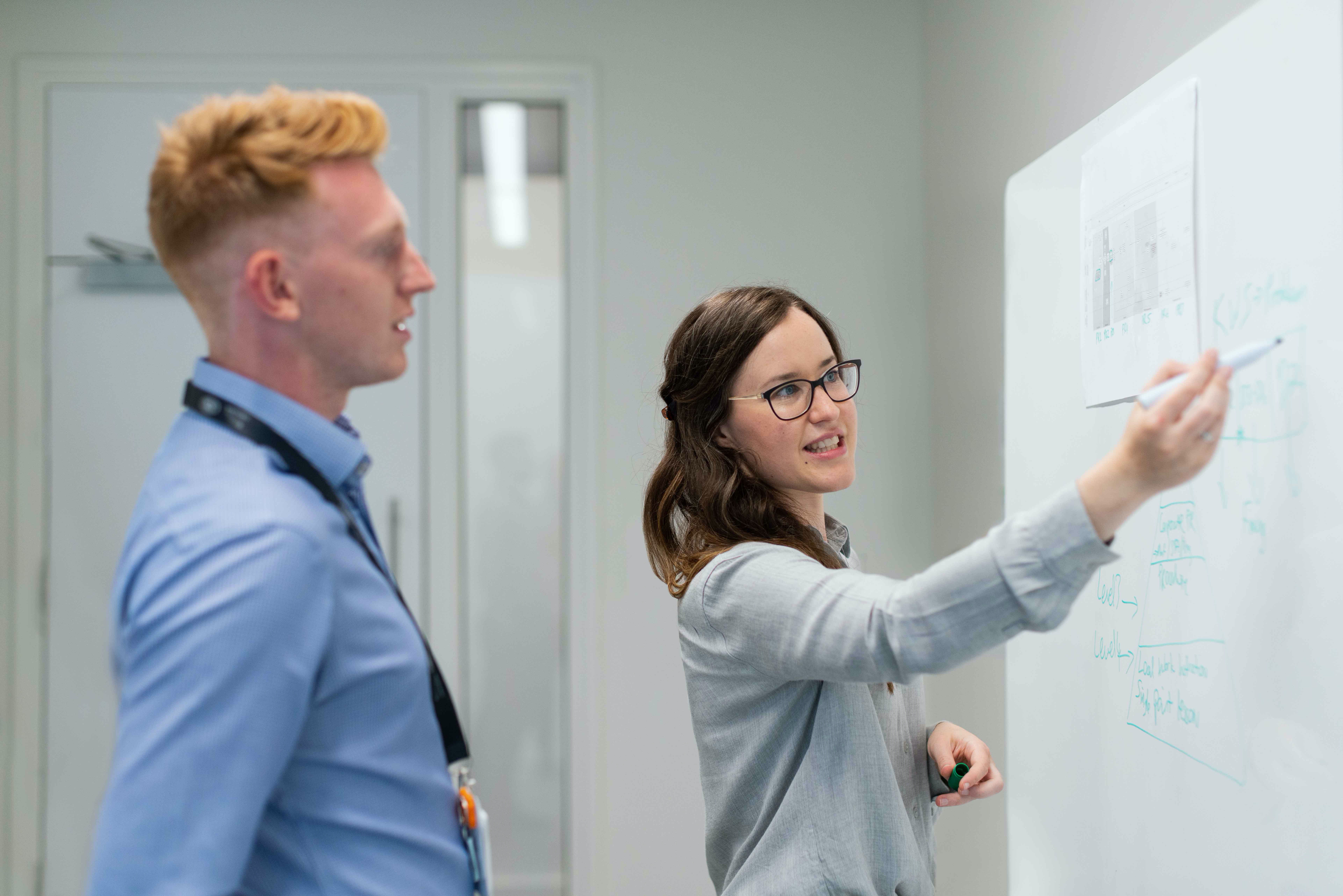
Indonesian steel exports to the EU will face carbon adjustment costs from 2026, and producers without worldsteel-compliant GHG inventories cannot calculate their CBAM liability, develop cost mitigation strategies, or respond credibly to buyer due diligence requests.

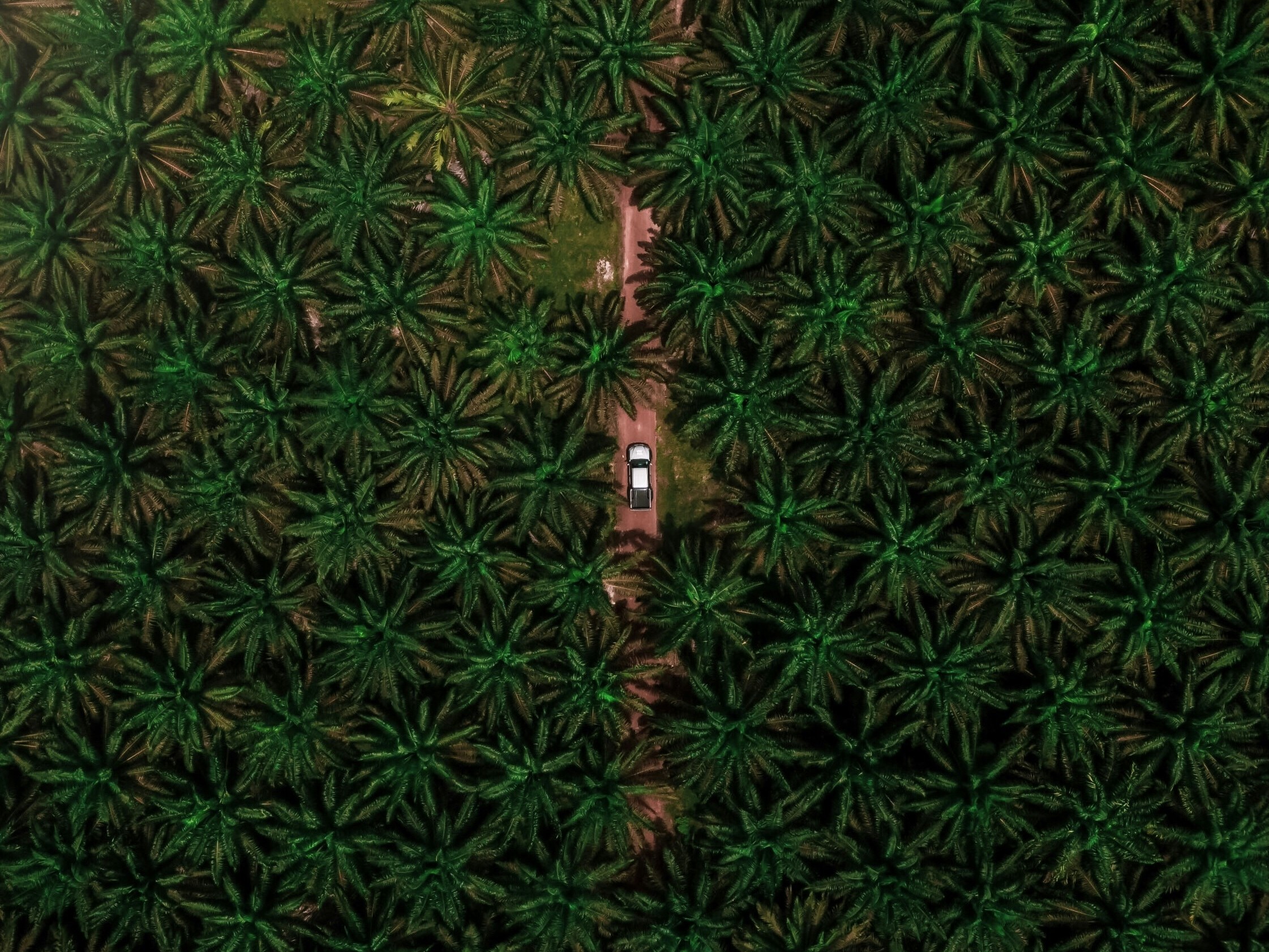
Major automotive and construction buyers are requiring verified product carbon footprints and transition roadmaps from steel suppliers — and Indonesian producers that cannot provide EPDs and credible decarbonization commitments will progressively lose competitiveness in the highest-value global procurement relationships.
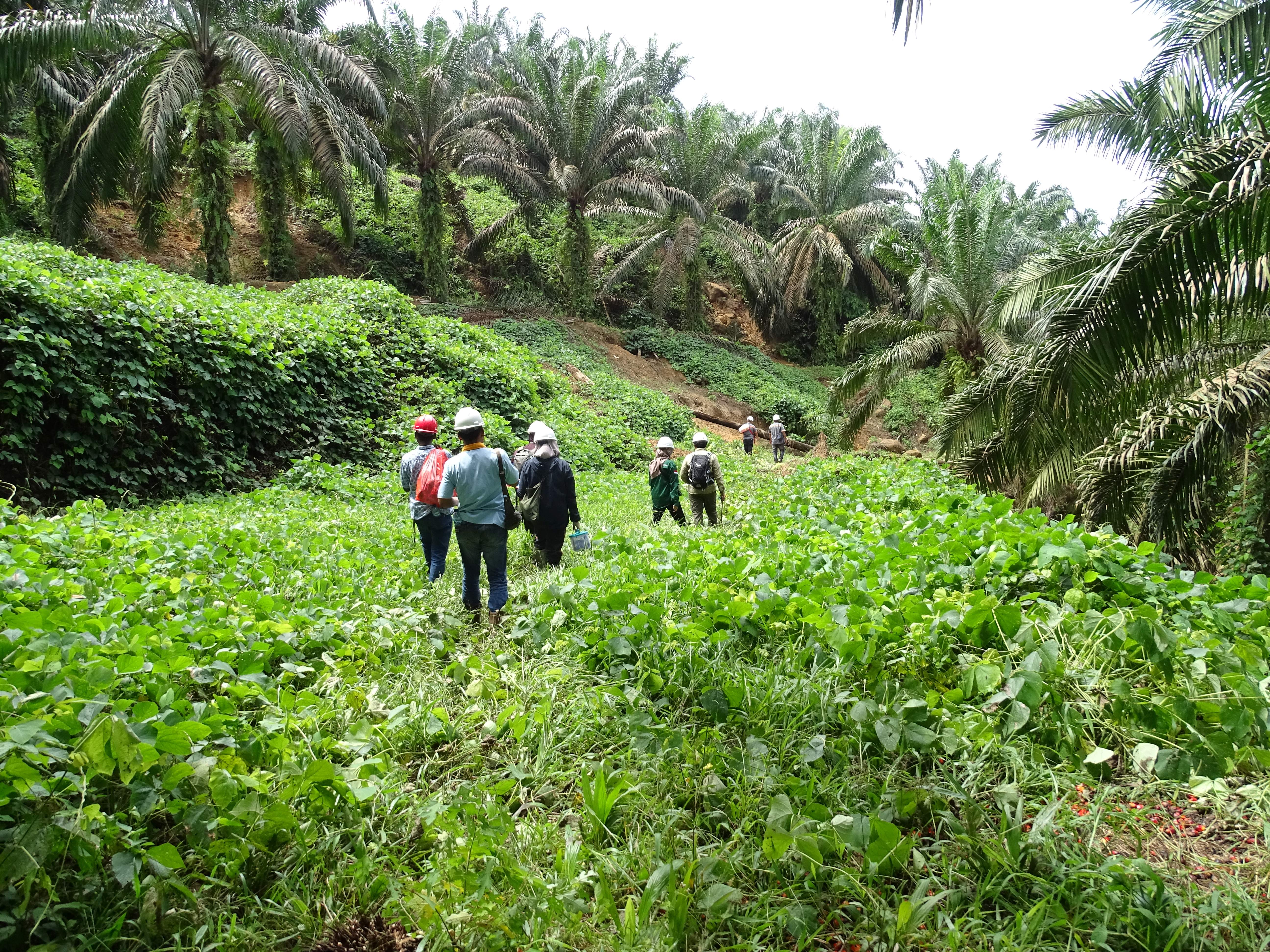
At 1.8–2.2 tonnes of CO₂ per tonne of steel, traditional BF-BOF production is among the most carbon-intensive industrial processes — and meaningful reductions require structural shifts in production technology that demand early planning, phased investment, and a rigorous understanding of the current emission baseline.


Antasena 2, Gg. Antasena II, RT.03/RW.18, Tegal Weru, Sariharjo, Kec. Ngaglik, Kabupaten Sleman, Daerah Istimewa Yogyakarta


.png)

.jpg)

