

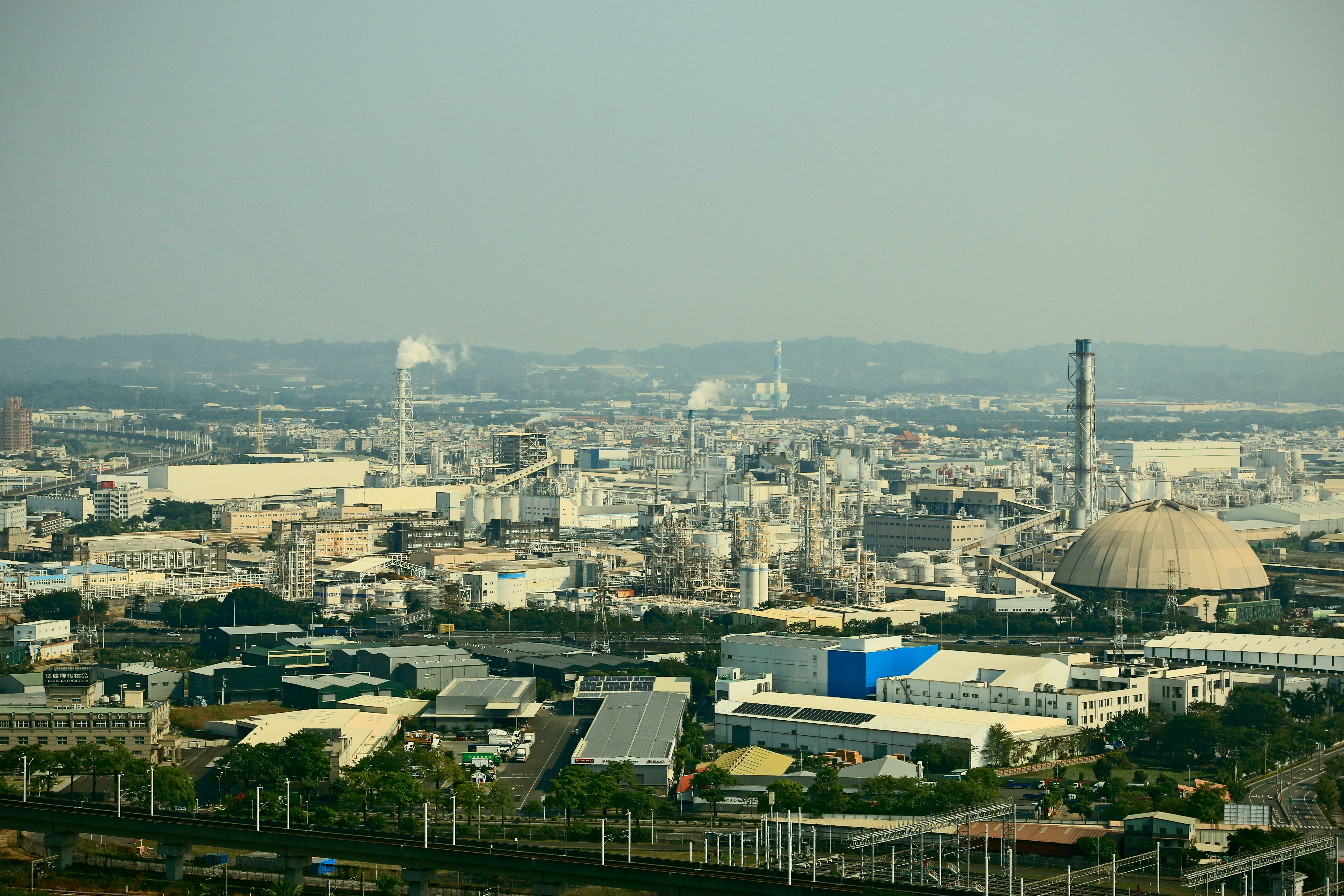
Indonesia's industrial estate sector manages over 70 gazetted industrial zones covering more than 80,000 hectares — hosting thousands of manufacturing companies ranging from automotive and electronics to chemicals and food processing. Industrial estates are strategic infrastructure assets, and their environmental management quality directly affects the compliance performance of all tenant companies. Shared utilities, wastewater treatment systems, solid waste management, and infrastructure energy efficiency represent both collective environmental liabilities and optimization opportunities. The sustainability imperative for industrial estates is accelerating.
KLHK's PROPER rating now evaluates industrial estates as standalone entities creating compliance obligations for estate operators, not just individual tenants. The Indonesian government's Green Industrial Zone (Kawasan Industri Hijau) regulation establishes sustainability performance criteria for certified green estates with green certification becoming a differentiating factor in attracting FDI. Multinational companies selecting manufacturing locations increasingly evaluate the sustainability performance of the estate including renewable energy availability, wastewater treatment quality, waste management, and green building standards. Estates that achieve recognized sustainability certification will attract premium tenants willing to pay for the compliance infrastructure and reduced ESG risk.
.jpg)

.jpg)
.jpg)
.jpg)

KLHK now evaluates industrial estates as standalone environmental entities — and managing compliance across shared infrastructure while coordinating the environmental performance of dozens of tenants requires a level of systematic oversight that most estate operators have not yet formalized.

Multinational companies from Japan, Europe, and South Korea are conducting detailed sustainability due diligence on industrial estates before committing to investment — and estates without credible environmental programs are being systematically excluded from consideration by the highest-value manufacturing tenants.
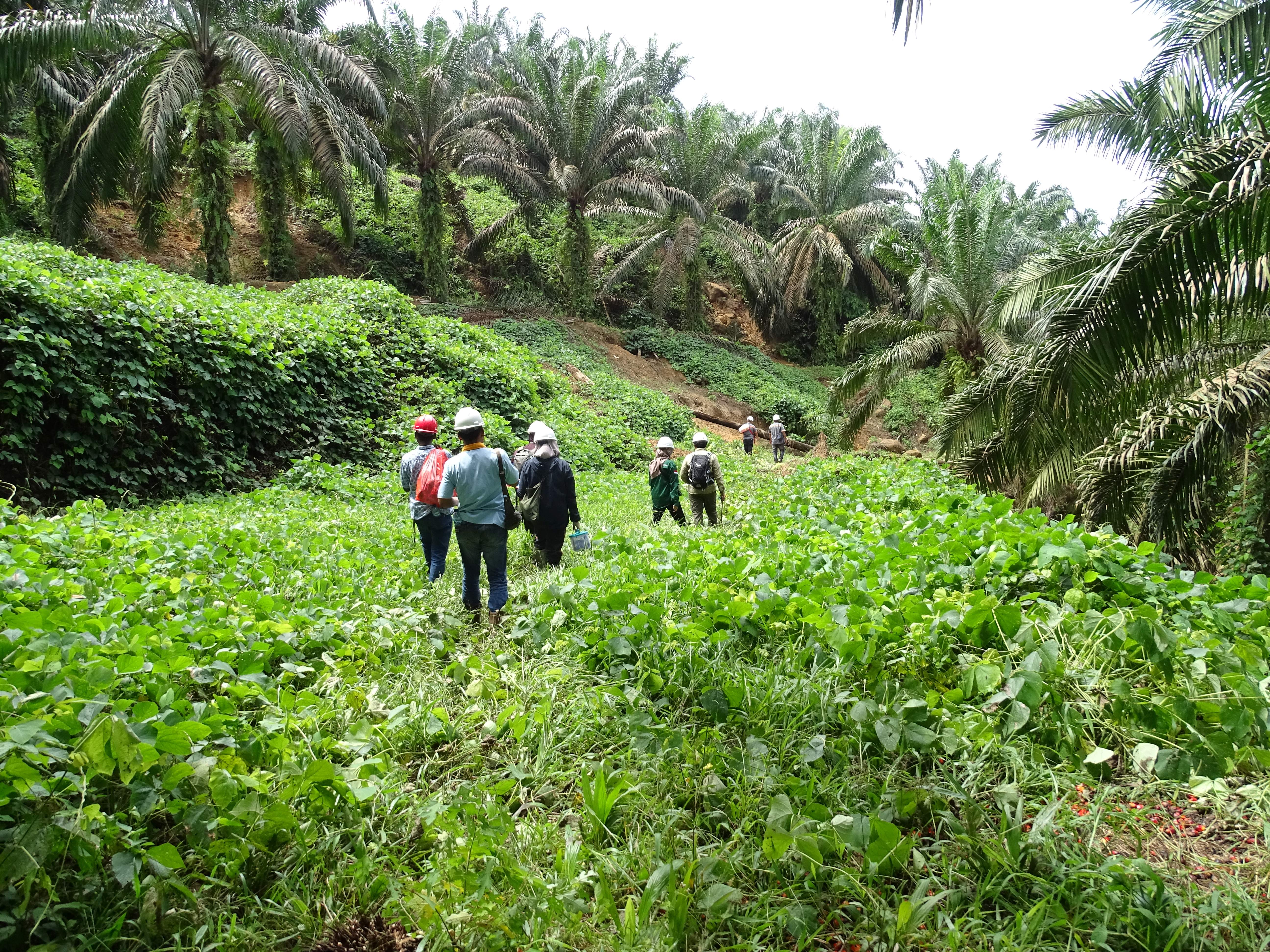
When individual tenants fail environmental compliance, the reputational and regulatory consequences frequently extend to the estate operator — and without systematic tenant sustainability support programs, estate operators have limited ability to identify and address emerging risks before they escalate.


Antasena 2, Gg. Antasena II, RT.03/RW.18, Tegal Weru, Sariharjo, Kec. Ngaglik, Kabupaten Sleman, Daerah Istimewa Yogyakarta


.png)

.jpg)

