

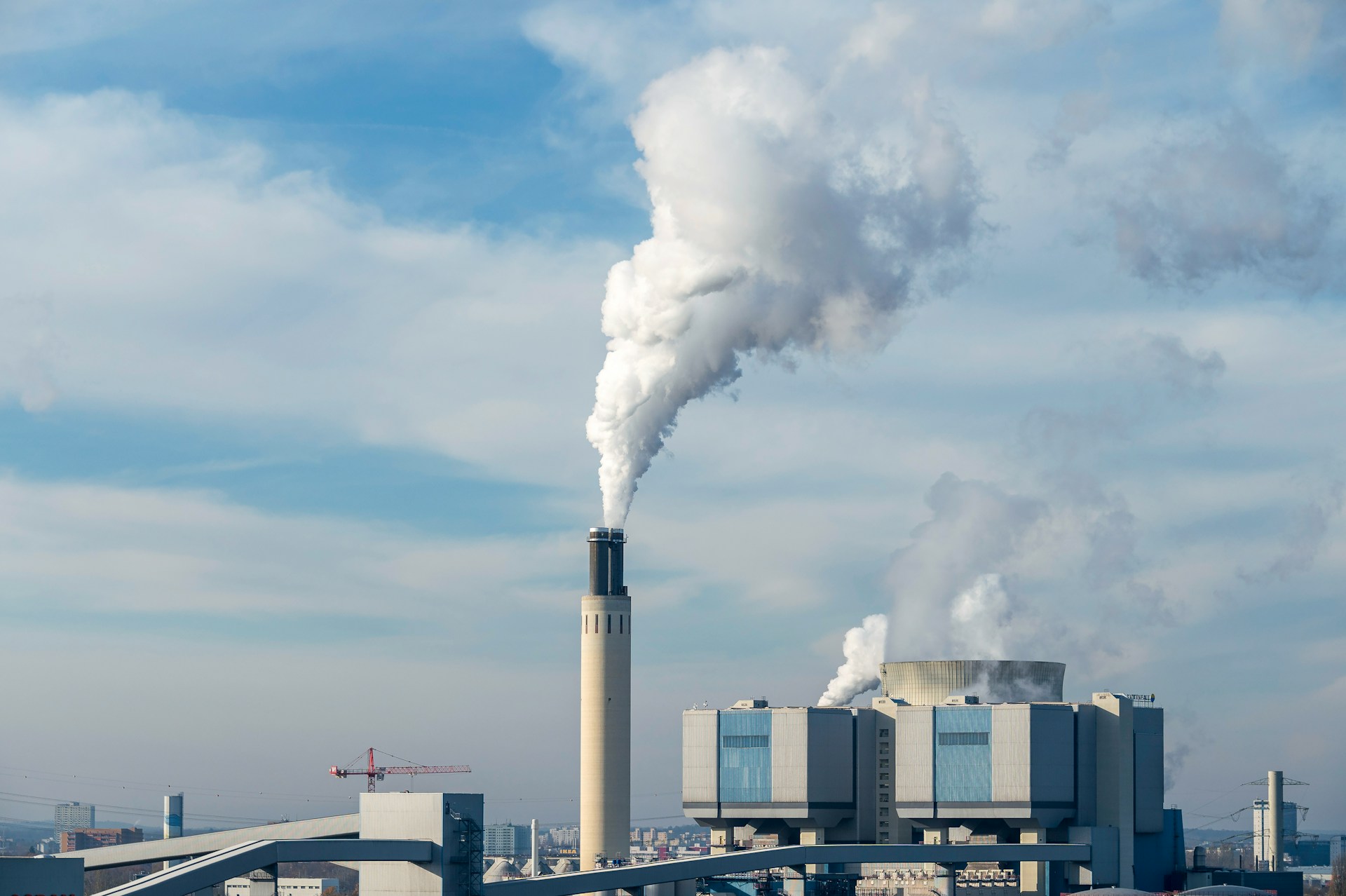
Indonesia's power sector is dominated by coal-fired generation, which supplies approximately 62% of national electricity. The sector emits an estimated 250 million tonnes of CO₂ per year making it the single largest source of industrial GHG emissions in the country. PLN's grid mix must shift dramatically to meet Indonesia's renewable energy target of 23% by 2025 and net zero by 2060. Independent Power Producers (IPPs), geothermal developers, and utilities face growing pressure from international climate finance, green bond standards, and electricity offtake buyers requiring low-carbon supply chains.
The global transition creates both regulatory risk and commercial opportunity. Coal plants face stranded asset risk as carbon pricing mechanisms advance. Meanwhile, geothermal, hydro, and biomass operators can monetize clean power credentials through carbon credits, renewable energy certificates, and green financing premiums. Indonesia's Carbon Economic Value regulation (Perpres 98/2021) is activating the domestic carbon market creating new revenue streams for low-carbon generators. Power companies that rigorously measure and report their environmental performance will be best positioned to capture this value.
.jpg)

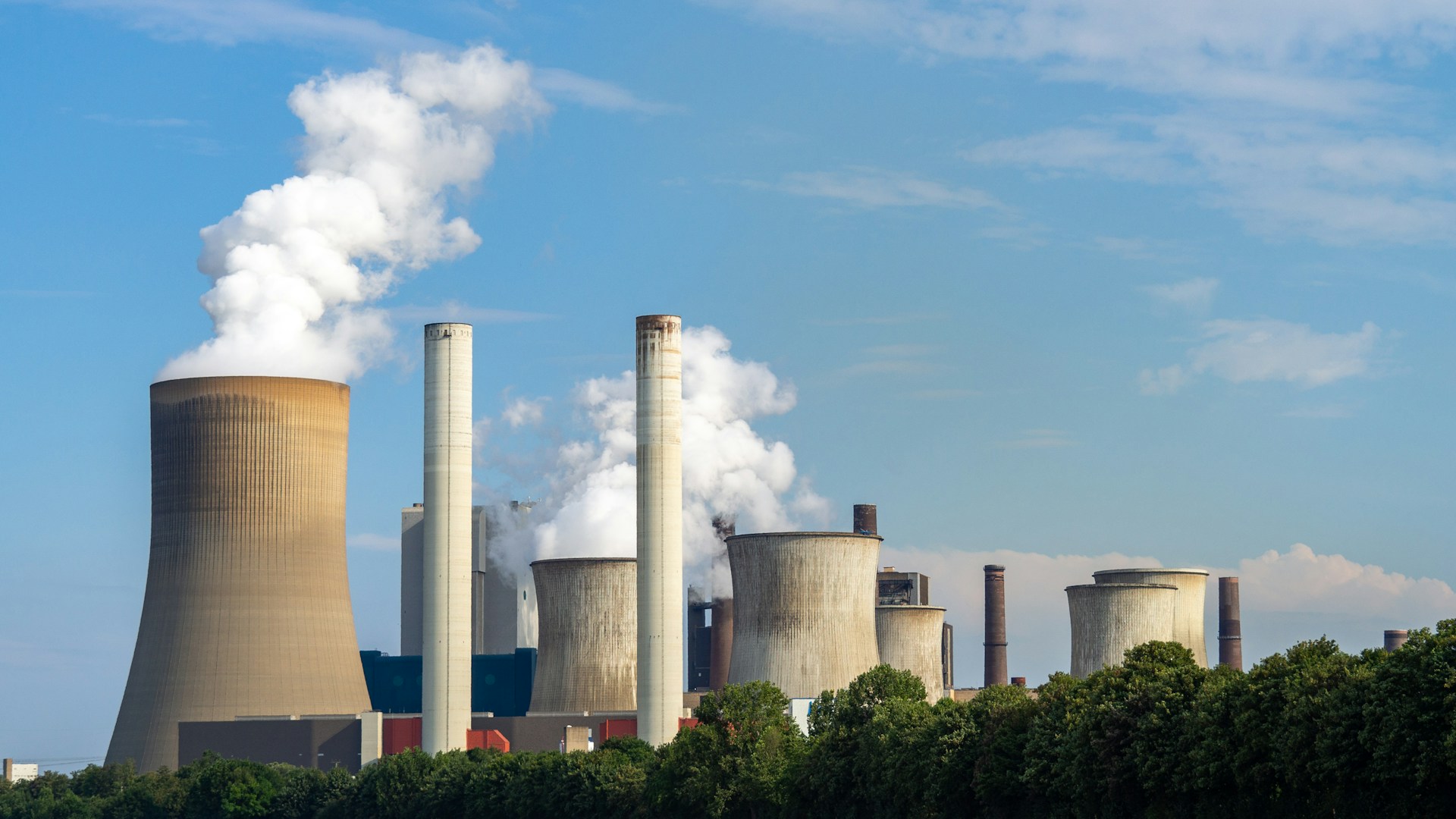



Coal-fired plants face tightening environmental regulations, declining international financing availability, and growing offtaker pressure for low-carbon supply — and operators without credible transition roadmaps are progressively losing access to refinancing and green capital.

Most Indonesian power generators lack the GHG accounting systems needed to produce comparable, audit-ready emissions intensity disclosures — limiting their eligibility for green bond financing, carbon market participation, and buyer sustainability qualification.
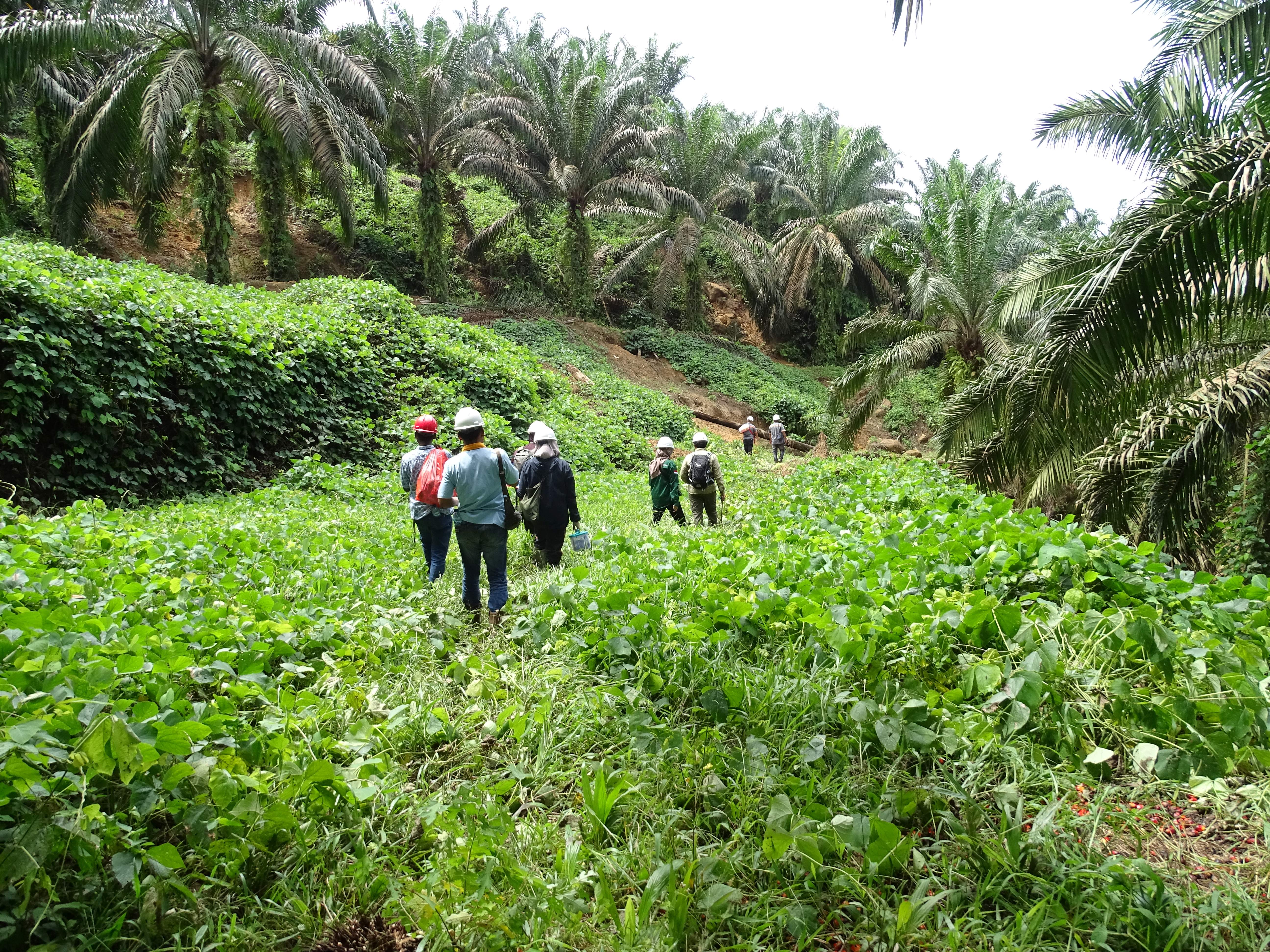
Entering PLN's co-firing program without verified biomass supply chain sustainability exposes operators to regulatory non-compliance and greenwashing risk — as unverified biomass sourcing can substitute coal emissions with deforestation-linked ones.


Antasena 2, Gg. Antasena II, RT.03/RW.18, Tegal Weru, Sariharjo, Kec. Ngaglik, Kabupaten Sleman, Daerah Istimewa Yogyakarta


.png)

.jpg)

