

.jpg)
Indonesia's forestry and pulp paper sector is one of the largest in the world with major companies managing millions of hectares of plantation concessions and producing over 10 million tonnes of pulp and paper annually. The sector is a critical export earner, with paper and paperboard exports exceeding USD 5 billion per year. However, it remains one of the most environmentally scrutinized industries globally: historical deforestation, peatland fires, and biodiversity loss in Sumatra and Kalimantan have placed Indonesian forestry companies under sustained pressure from NGOs, institutional investors, and international buyers.
The regulatory and market landscape is rapidly tightening. The EU Deforestation Regulation (EUDR) requires companies to prove that paper, wood, and furniture products are not linked to deforestation after December 2020 backed by geolocation traceability to the plot level. Indonesia's own Sustainable Forest Management regulations, SVLK certification, and GHG reporting requirements under ESDM are creating a complex compliance landscape. Companies that invest in biodiversity monitoring, supply chain traceability, and verified GHG reporting will protect their market access and attract the green financing increasingly available for certified sustainable forestry operations.
.jpg)

.jpg)
.jpg)

Building a compliant EUDR due diligence system for timber and pulp supply chains requires spatial data infrastructure, supplier auditing, and documentation rigor that most companies have not yet developed — with EU market access for non-compliant products directly at stake.

Concessions on peatland carry disproportionate climate and regulatory risk, and companies without credible peatland management plans and GHG monitoring systems face both regulatory liability and loss of eligibility for green financing instruments.
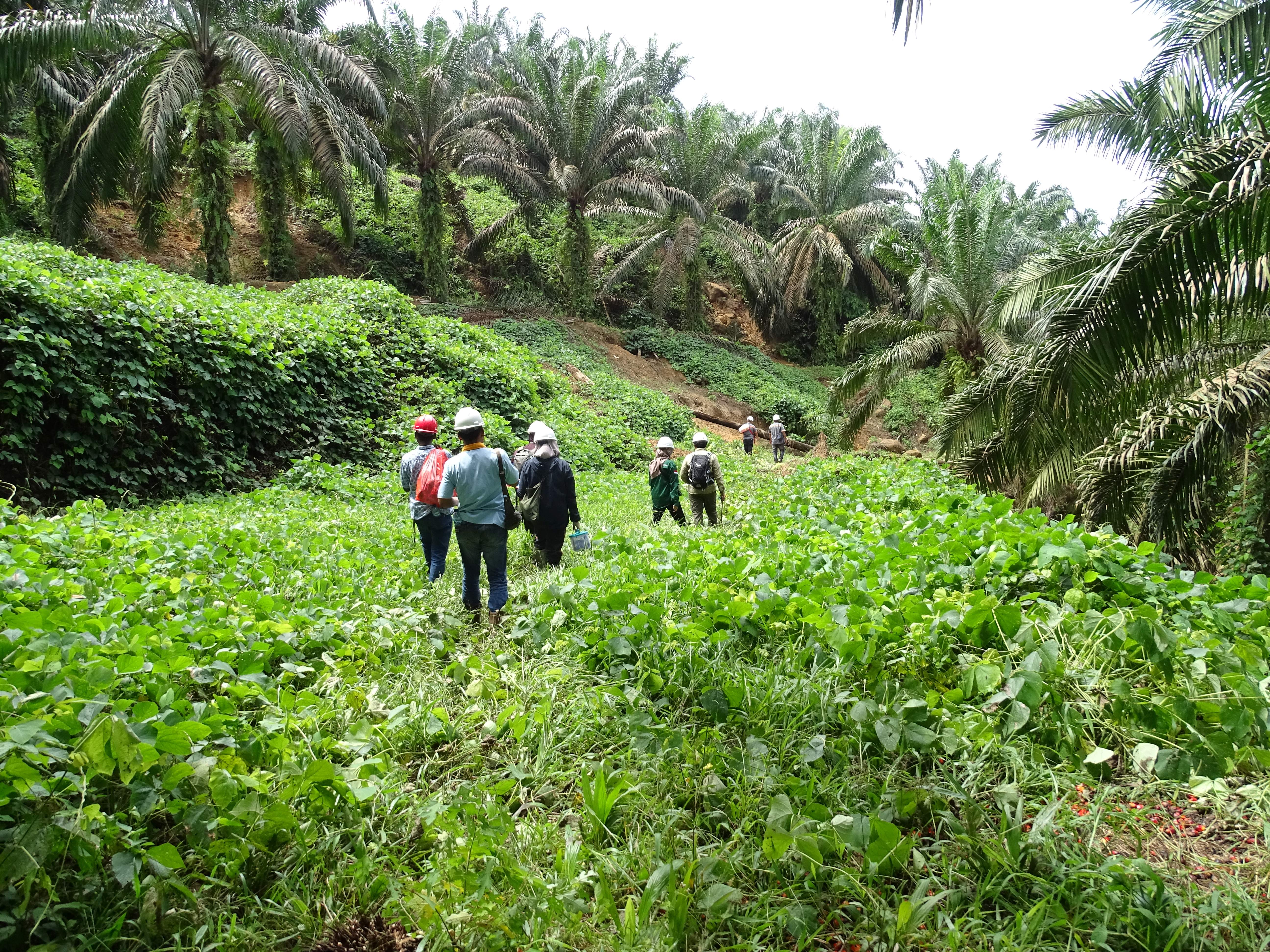
International frameworks including FSC and EUDR increasingly mandate Free Prior Informed Consent processes — and companies without structured social mapping and community engagement programs face conflict escalation, permit challenges, and progressive erosion of their social license.


Antasena 2, Gg. Antasena II, RT.03/RW.18, Tegal Weru, Sariharjo, Kec. Ngaglik, Kabupaten Sleman, Daerah Istimewa Yogyakarta


.png)

.jpg)

