

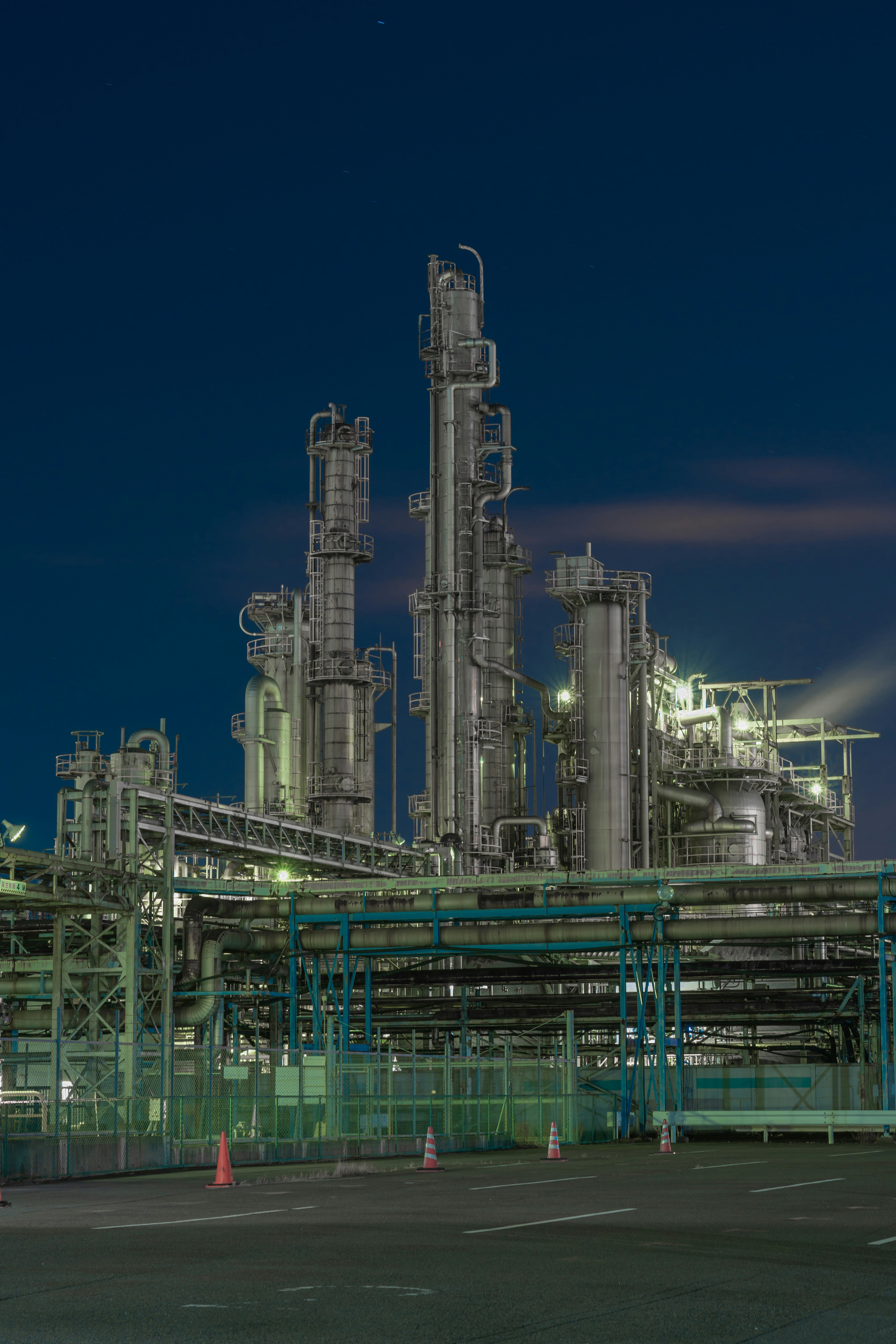
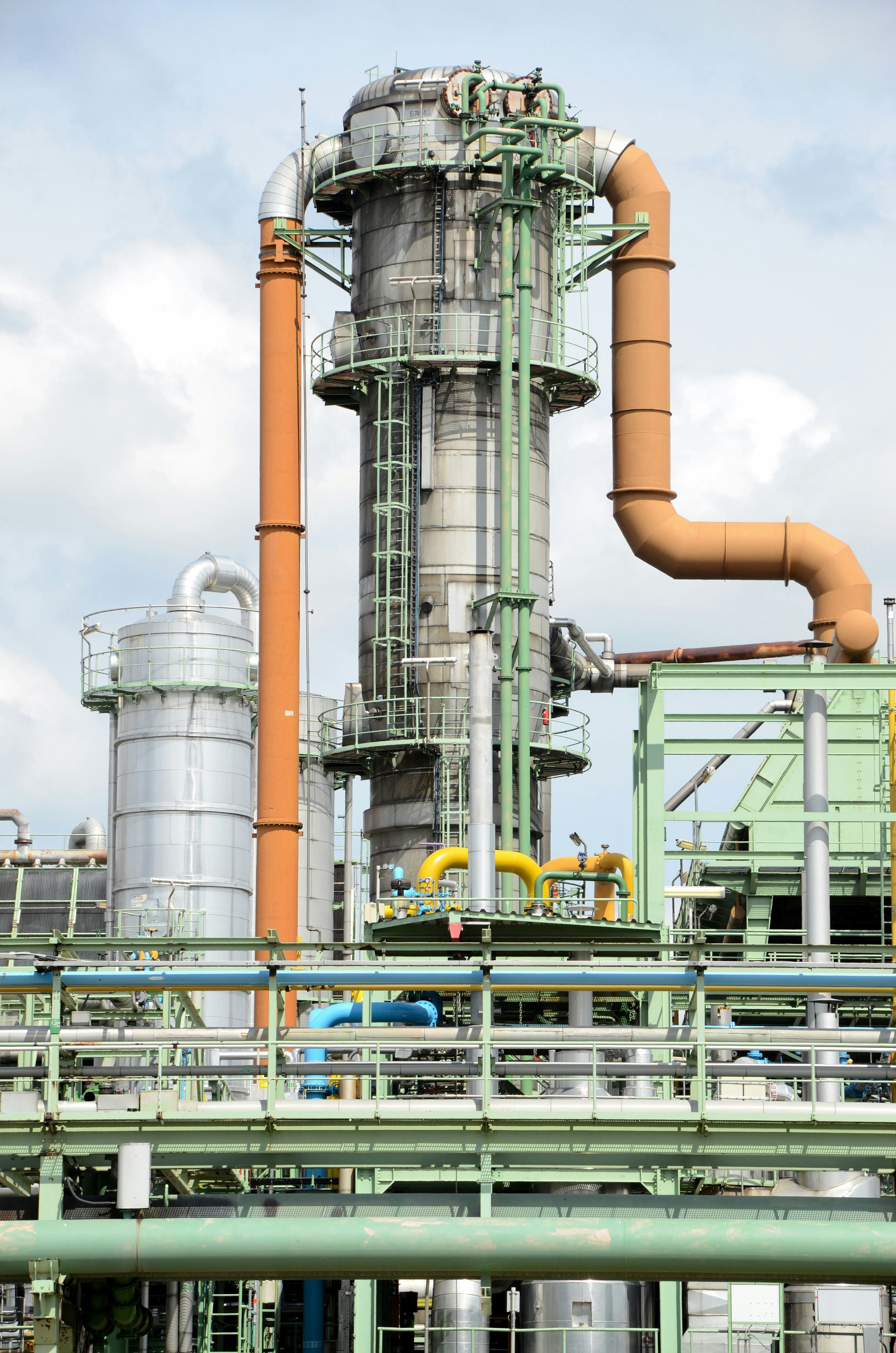
Indonesia's chemical industry contributes approximately USD 12 billion in annual production value and is a critical upstream supplier to agriculture (fertilizers, pesticides), manufacturing (polymers, resins), and consumer goods. Major subsectors include petrochemicals, fertilizers, industrial gases, and specialty chemicals. The sector is energy-intensive and generates significant environmental impacts including hazardous waste, wastewater with chemical oxygen demand (COD) loads, volatile organic compound (VOC) air emissions, and GHG output estimated at 30–40 million tonnes CO₂ equivalent annually.
Regulatory pressure on the chemical industry is intensifying on multiple fronts. Indonesia's B3 (Hazardous and Toxic Waste) regulations impose strict liability for chemical waste management and disposal. PROPER ratings from KLHK directly influence operating license renewals and government relations. International buyers particularly in pharmaceuticals, cosmetics, and food applications increasingly require ISO 14001 environmental management systems, ESG supplier audits, and product LCA documentation. Meanwhile, the EU's CBAM framework and chemical-specific regulations (REACH) create compliance obligations for chemical exporters. Companies that build robust environmental management systems now will gain both regulatory protection and market advantage.

.jpg)

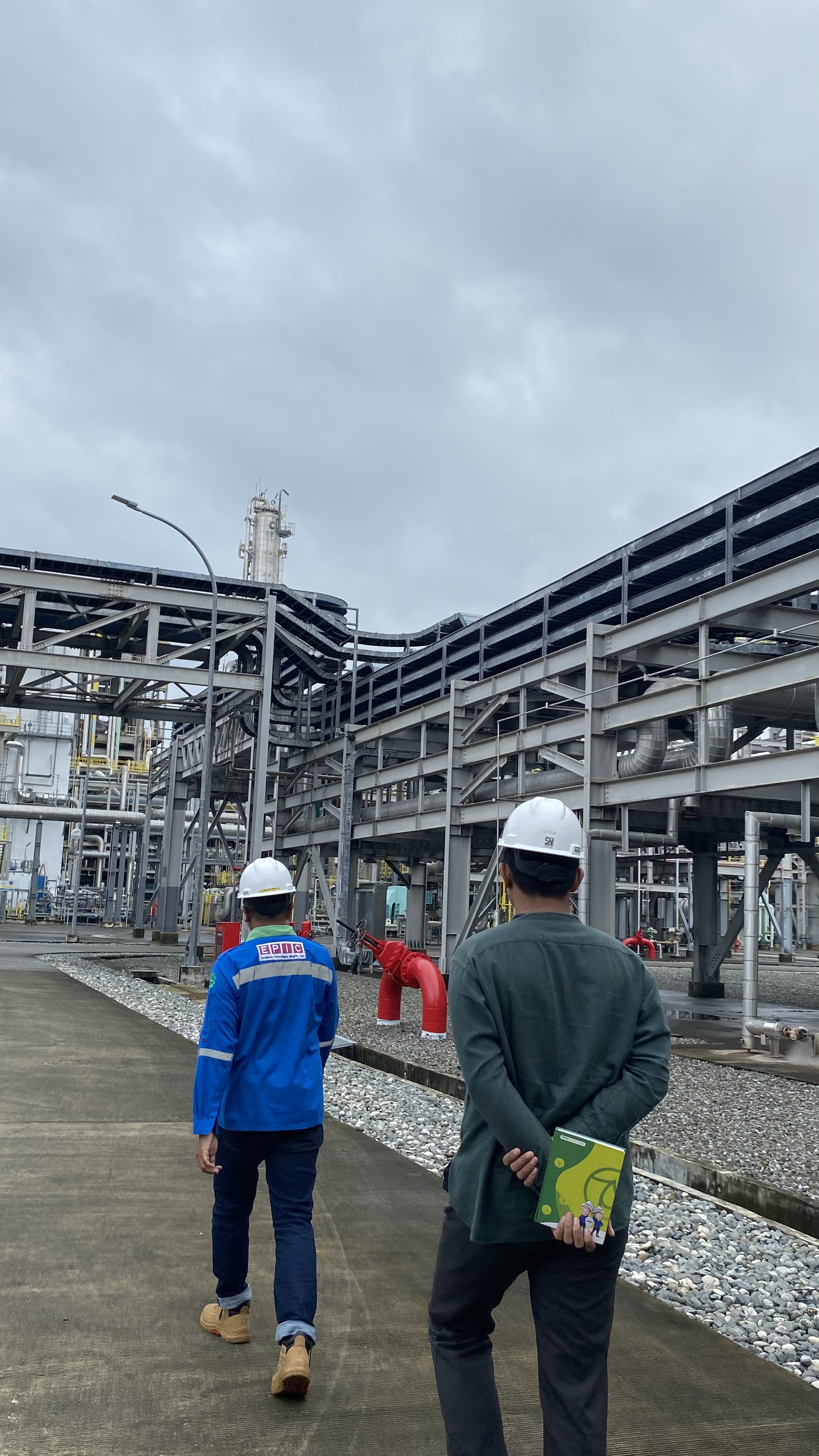

Chemical facilities with outdated waste management systems face intensifying B3 enforcement — and a single significant compliance failure can trigger permit suspension and remediation costs that far exceed the investment required for proactive compliance.

Chemical wastewater contains complex contaminant profiles that are difficult to treat to regulatory discharge standards, and facilities without optimized treatment systems face both enforcement action and long-term downstream environmental liability.
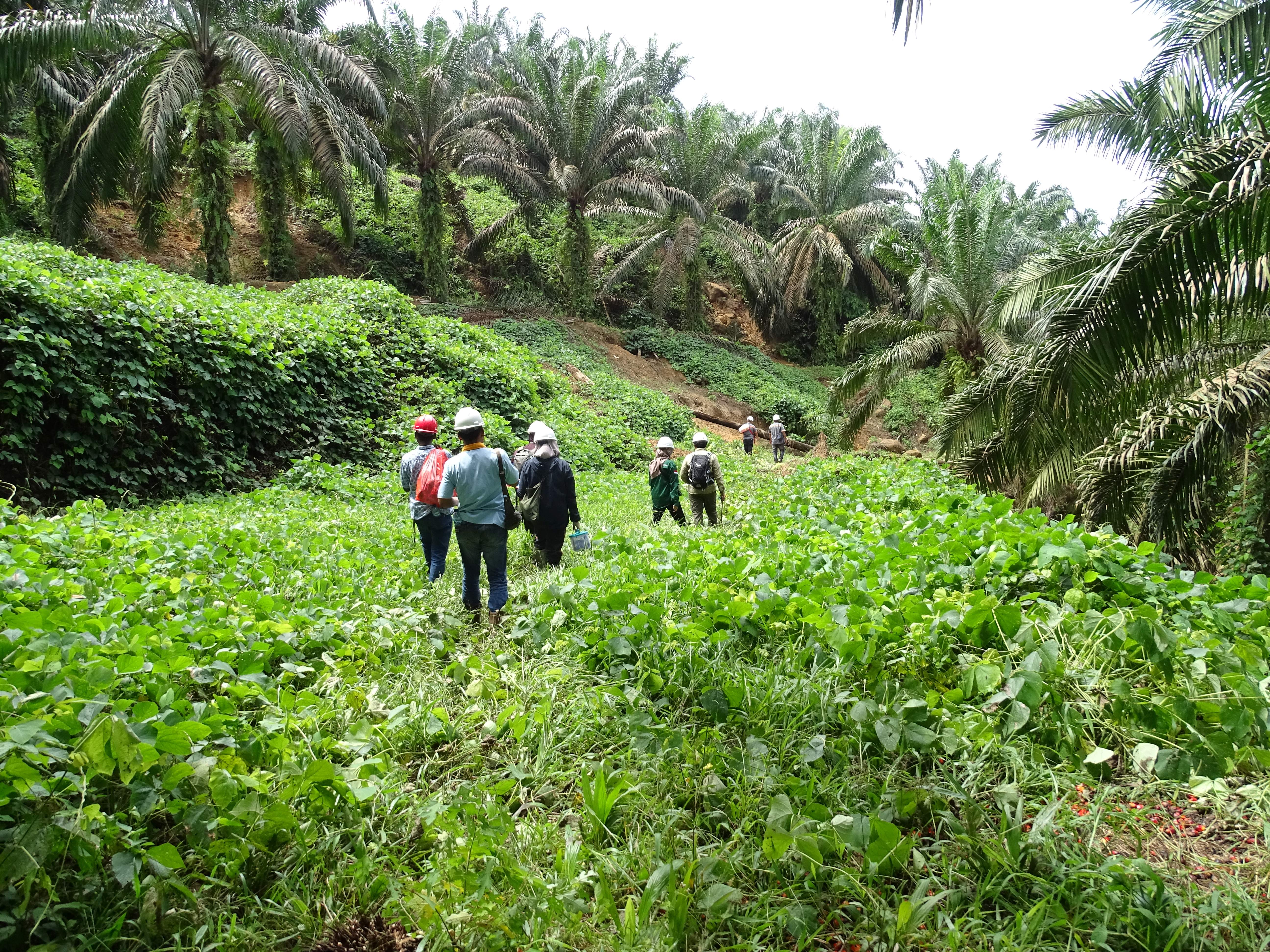
International buyers in pharmaceutical, food, and personal care applications are requiring product LCA and ESG documentation as conditions of supplier qualification — and companies that cannot provide verified sustainability data risk customer attrition even where product quality remains competitive.


Antasena 2, Gg. Antasena II, RT.03/RW.18, Tegal Weru, Sariharjo, Kec. Ngaglik, Kabupaten Sleman, Daerah Istimewa Yogyakarta


.png)

.jpg)

