

.jpg)
Indonesia's mining sector contributes approximately 7.8% of national GDP and is the world's leading producer of nickel, tin, and thermal coal. The sector generates over USD 50 billion in export revenue annually and is central to Indonesia's industrialization strategy. However, it also carries one of the highest environmental footprints of any industry including habitat destruction, acid mine drainage, heavy metal contamination, and significant GHG emissions estimated at over 200 million tonnes CO₂ equivalent per year from coal mining alone.
The global shift toward critical minerals for the energy transition nickel for EV batteries, copper for renewables is raising the stakes for environmental accountability. The EU's Carbon Border Adjustment Mechanism (CBAM), expected to cover metals by 2026, will penalize carbon-intensive production. Meanwhile, international investors, OECD due diligence standards, and the Indonesian government's PROPER system are imposing stricter environmental performance benchmarks. Mining companies that fail to demonstrate credible sustainability programs risk losing financing, market access, and their operating licenses.



.jpg)
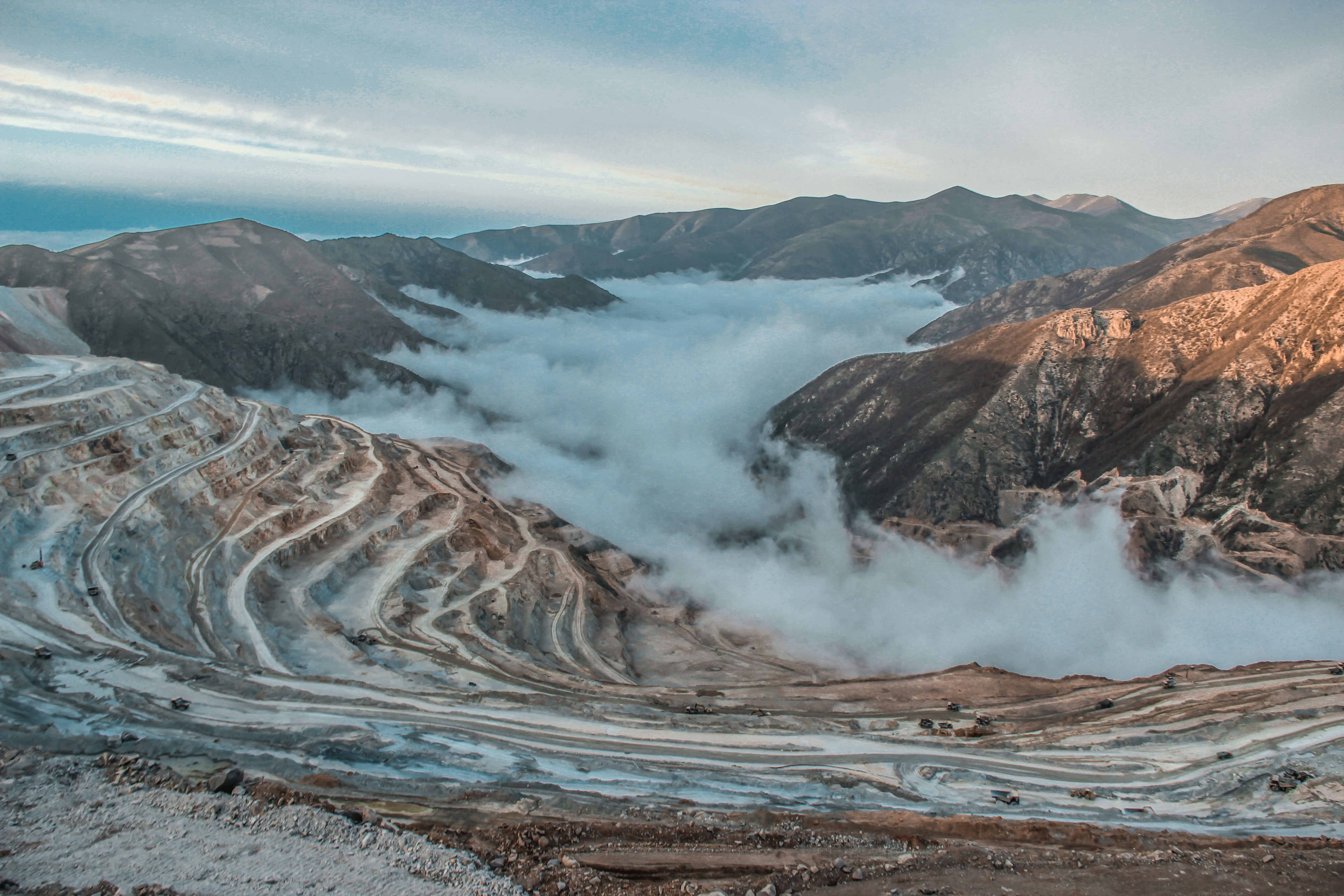
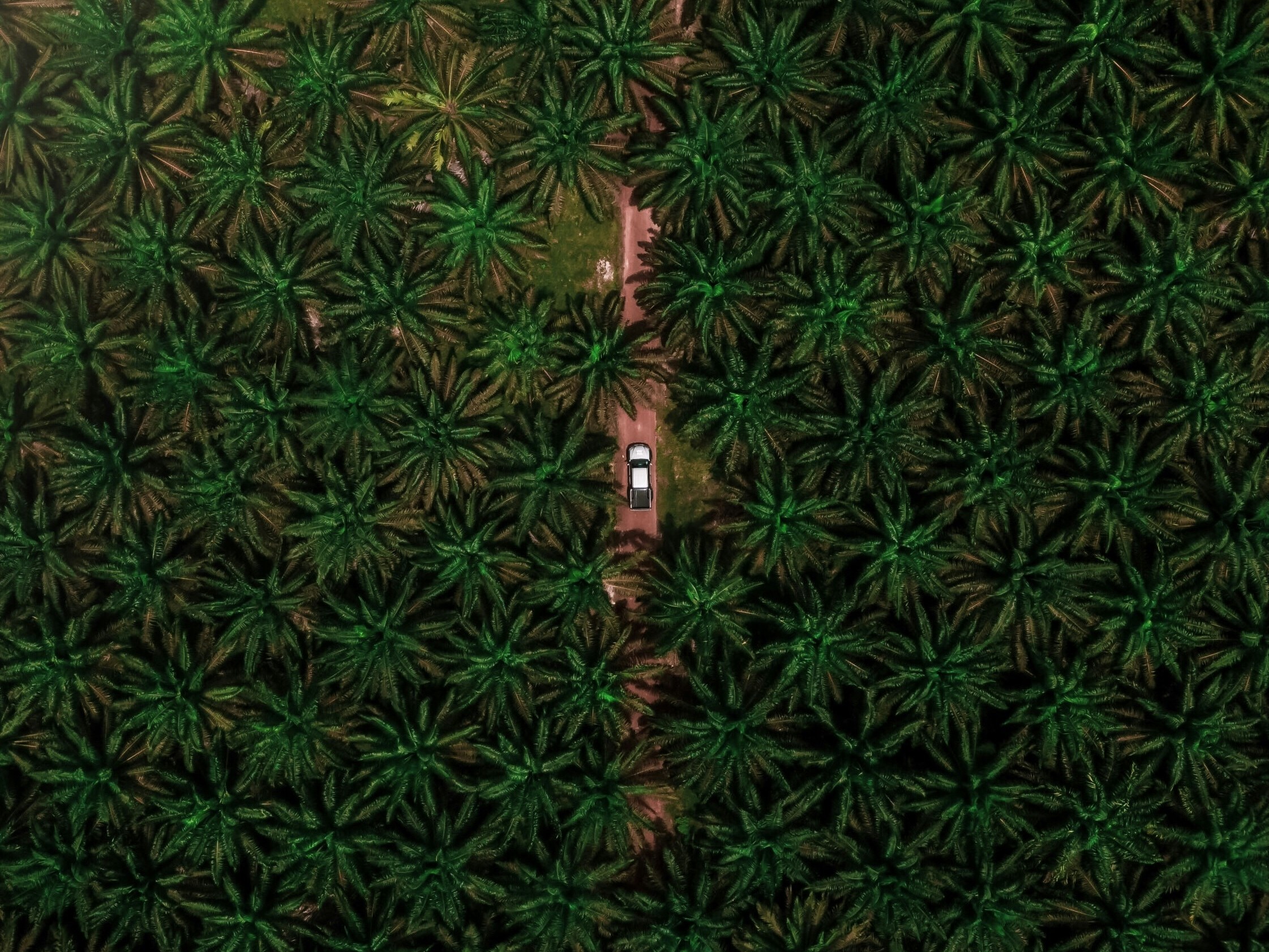
Mining concessions frequently overlap with high-value ecosystems, and without systematic biodiversity assessments and action plans, companies cannot meet IFC Performance Standards, PROPER requirements, or the due diligence criteria of international investors.

Acid mine drainage and heavy metal-laden wastewater remain among the most serious environmental liabilities in the sector, and facilities without advanced treatment systems face regulatory penalties, community conflict, and long-term remediation costs.
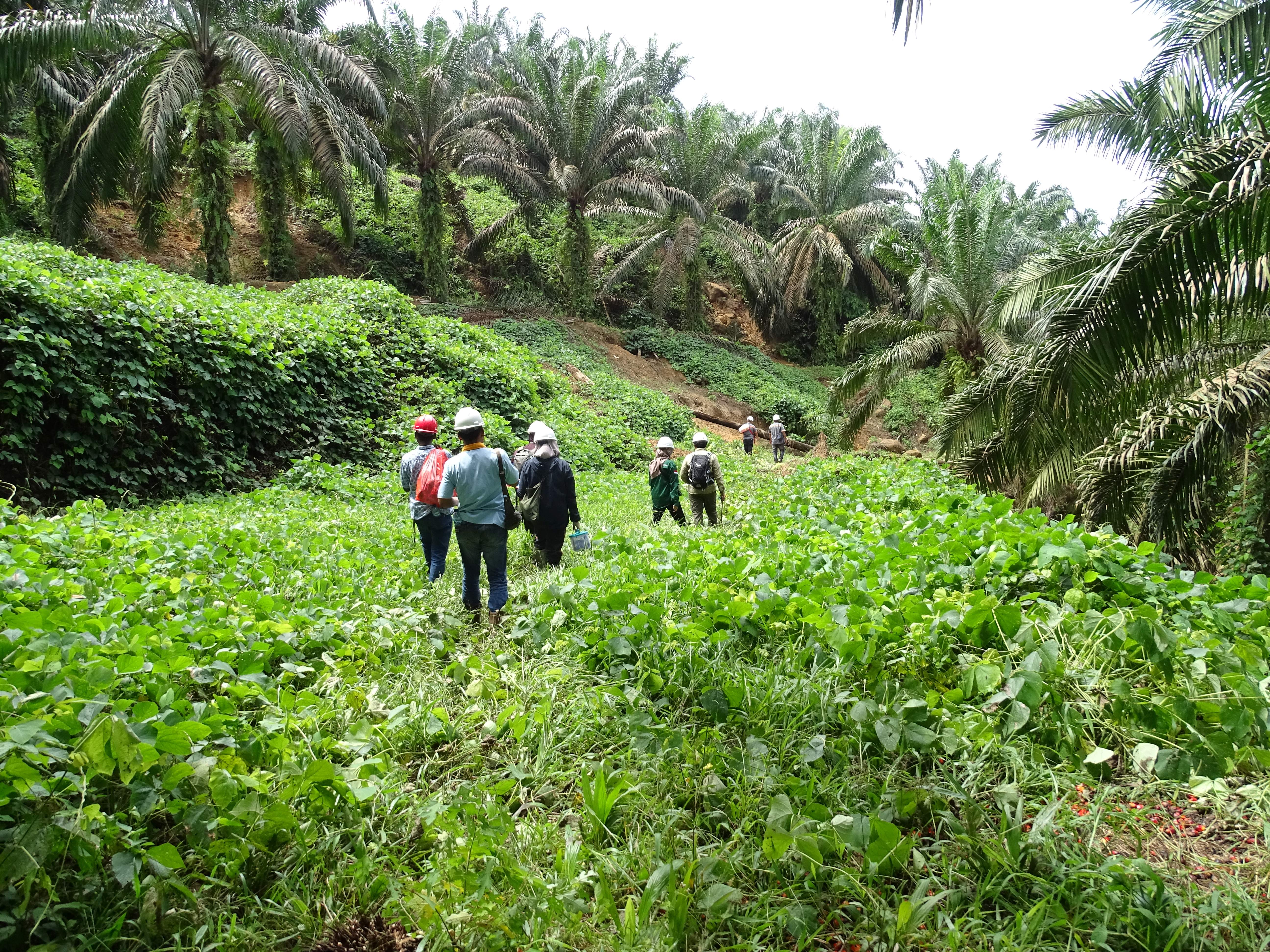
As Indonesia's carbon trading system matures and CBAM expands to metals, mining companies without verified GHG baselines will face both financial penalties and competitive disadvantage in markets where carbon performance is increasingly a procurement criterion.


Antasena 2, Gg. Antasena II, RT.03/RW.18, Tegal Weru, Sariharjo, Kec. Ngaglik, Kabupaten Sleman, Daerah Istimewa Yogyakarta


.png)

.jpg)

