

.jpg)
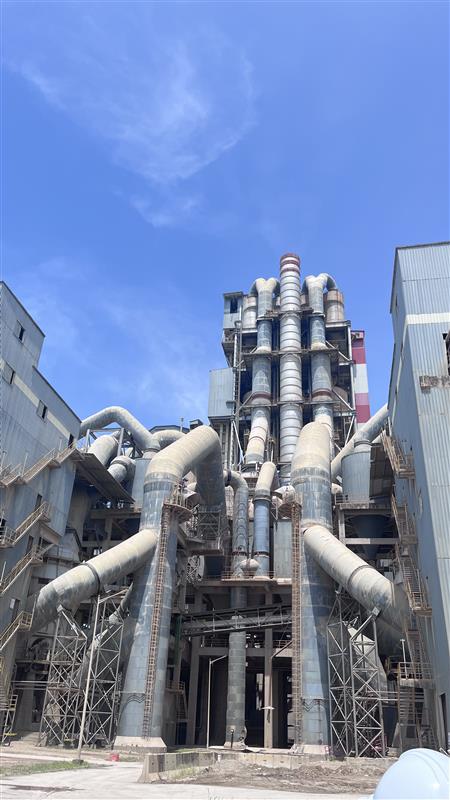
Energy costs represent a significant and often poorly controlled share of total operating costs for industrial facilities — typically ranging from 10% to 25% of production costs in energy-intensive sectors. Yet most companies lack the detailed, system-level understanding of their energy consumption patterns needed to identify and prioritize the improvements that would reduce those costs most effectively. An energy audit is the systematic, engineering-based process of measuring, analyzing, and understanding energy flows across a facility — it is the essential first step for any serious energy efficiency or carbon reduction program.
Develop facility energy balance mapping all inputs, useful outputs, and losses by system. Quantify energy loss magnitudes by source. Identify systems and operations with highest improvement potential.
Document all identified efficiency opportunities with technical specifications. Calculate energy savings, cost savings, and implementation costs for each measure. Develop prioritized opportunity register ranked by ROI and payback period.
Prepare comprehensive audit report with executive summary, detailed findings, and implementation roadmap. Present findings to management team. Develop phased implementation plan aligned with capital planning cycles.


Antasena 2, Gg. Antasena II, RT.03/RW.18, Tegal Weru, Sariharjo, Kec. Ngaglik, Kabupaten Sleman, Daerah Istimewa Yogyakarta
