

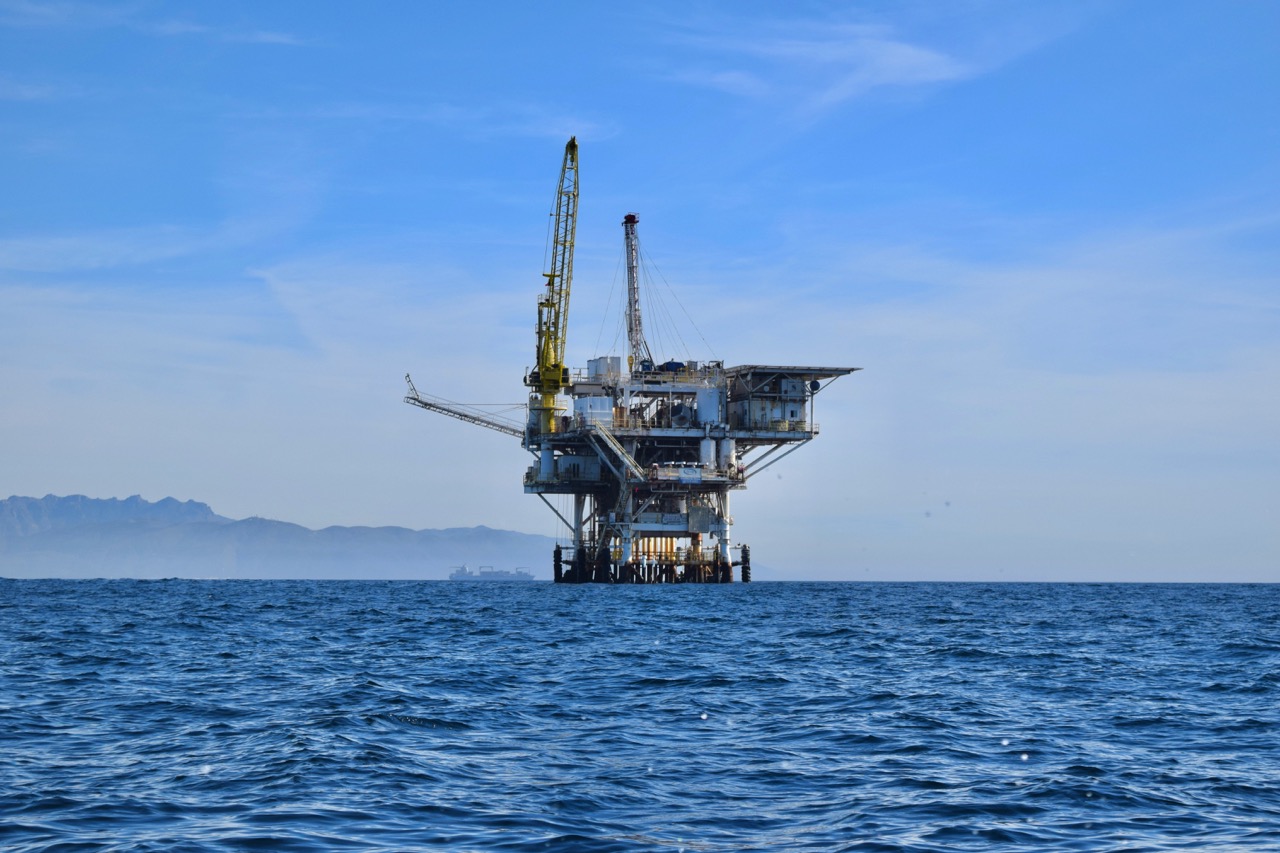
Methane is the second most important greenhouse gas driving climate change — and the oil and gas sector is its largest industrial source globally. With a global warming potential 86 times higher than CO2 over a 20-year period, uncontrolled methane leakage from upstream wells, pipelines, compressor stations, and processing facilities represents both a significant climate impact and an increasingly visible regulatory and investor liability. Indonesia's commitment to the Global Methane Pledge commits the country to collective action toward a 30% reduction in methane emissions by 2030.
Compile facility-level and company-level methane emission inventory following OGMP 2.0 methodology. Calculate total methane emissions and benchmark against industry performance. Identify major emission sources by type and location.
Develop prioritized leak repair and methane reduction program based on emission magnitude and repair cost analysis. Design monitoring protocol for verifying repair effectiveness. Develop long-term emission reduction roadmap.
Prepare methane performance reports for OGMP 2.0, investor disclosure, and regulatory submissions. Implement ongoing methane monitoring program for continuous performance tracking and annual inventory updates.


Antasena 2, Gg. Antasena II, RT.03/RW.18, Tegal Weru, Sariharjo, Kec. Ngaglik, Kabupaten Sleman, Daerah Istimewa Yogyakarta
