

.jpg)
Indonesia's cement industry produces over 100 million tonnes of cement annually making it one of the top 10 cement-producing nations globally. The sector is dominated by major players including Semen Indonesia, Indocement, and Holcim Indonesia. Cement production is inherently carbon-intensive: approximately 60% of emissions arise from the calcination of limestone (process emissions), with the remaining 40% from fuel combustion in kilns. Indonesia's cement sector collectively emits an estimated 80–100 million tonnes of CO₂ per year a significant and growing share of industrial emissions.
The decarbonization imperative for cement is accelerating. The EU's Carbon Border Adjustment Mechanism (CBAM) covers cement as a priority sector meaning Indonesian cement exports to Europe will face carbon cost adjustments from 2026 onwards. Globally, the Global Cement and Concrete Association (GCCA) 2050 roadmap calls for net zero concrete by 2050 — requiring clinker ratio reduction, alternative fuel adoption, carbon capture, and efficiency improvements. Indonesia's domestic carbon trading system (IDX Carbon), activated under Perpres 98/2021, will increasingly assign carbon cost obligations to large industrial emitters. Cement companies that act now will be better positioned to manage future costs and maintain market access.
.jpg)

.jpg)
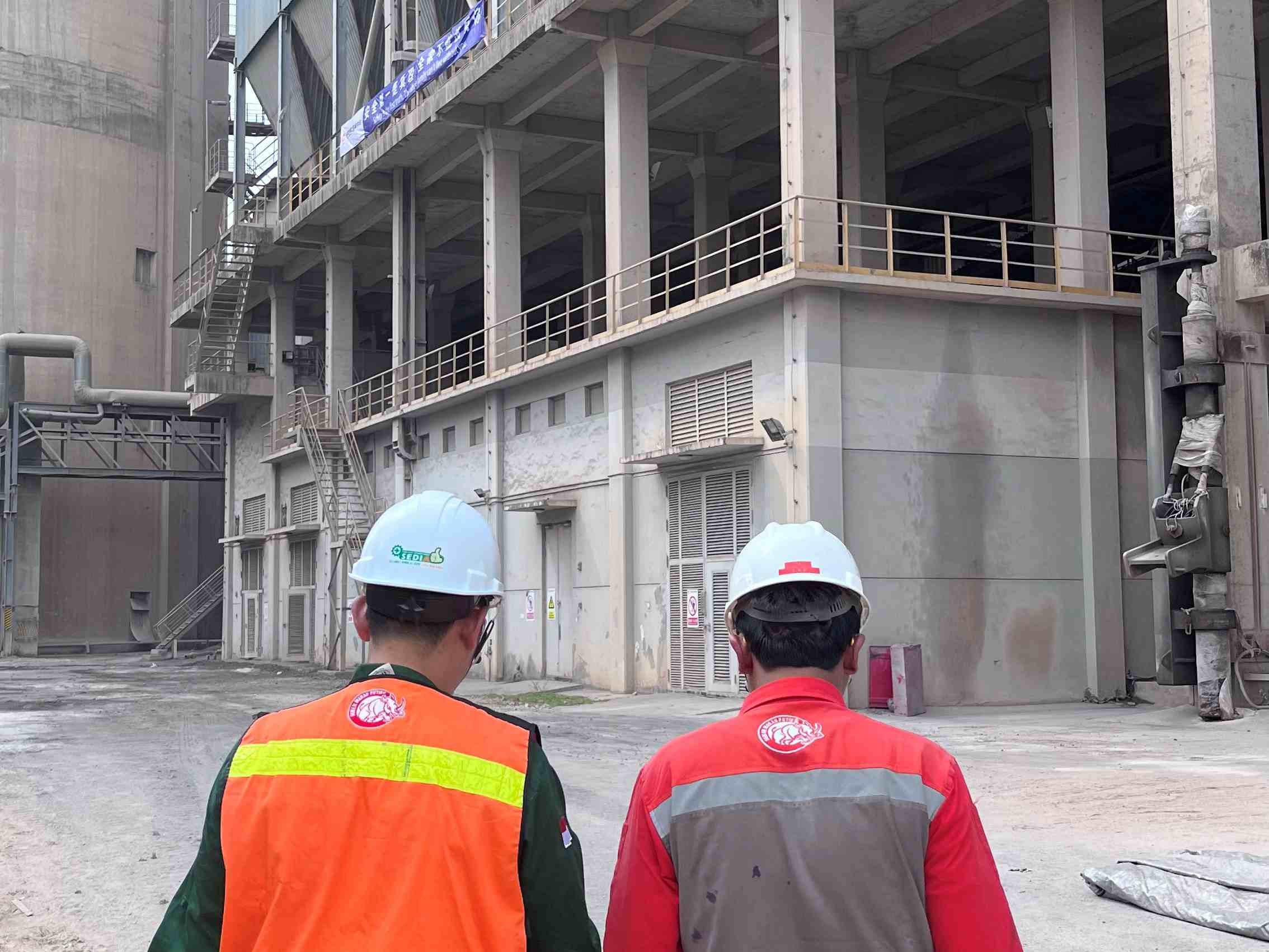
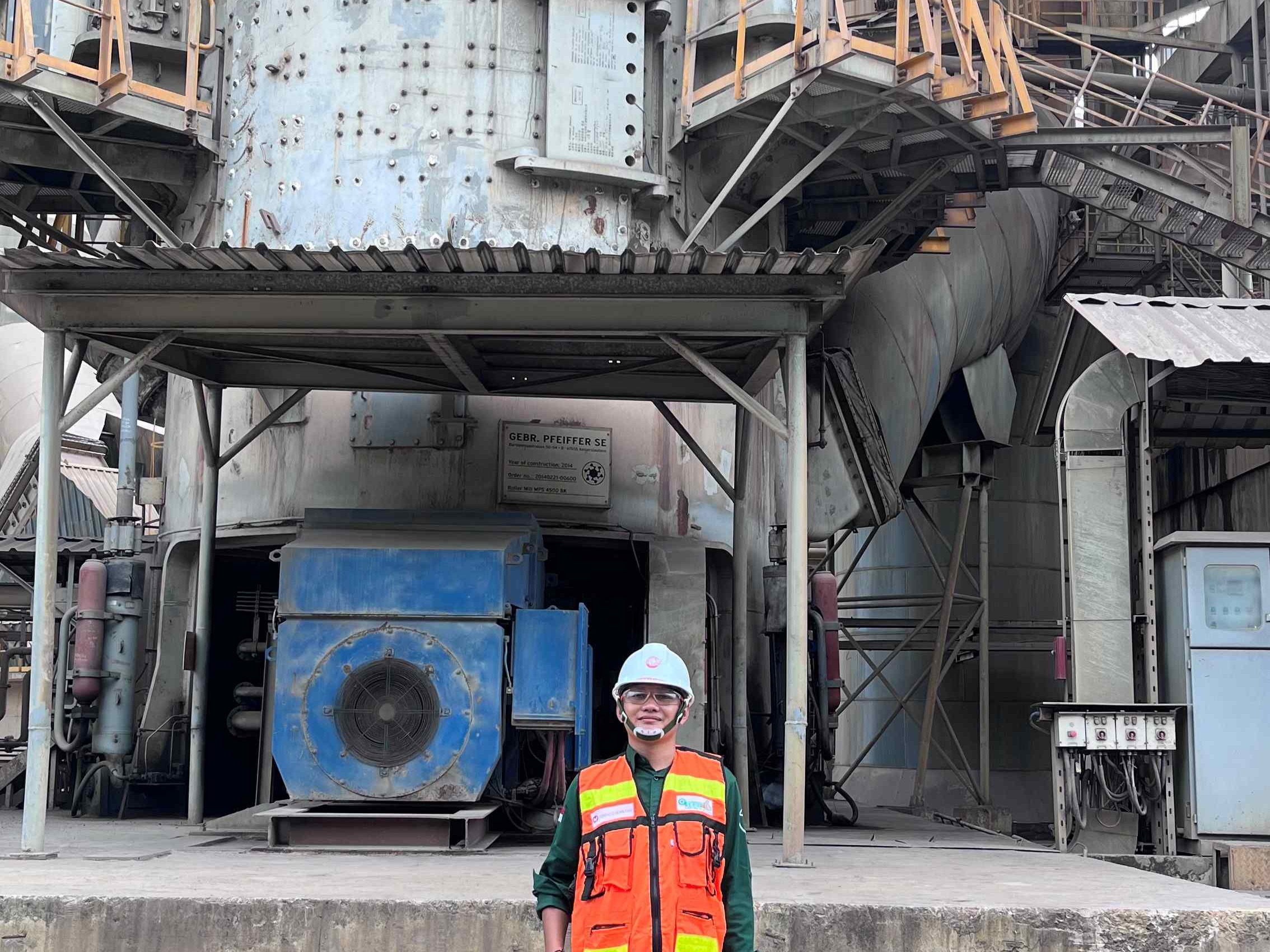
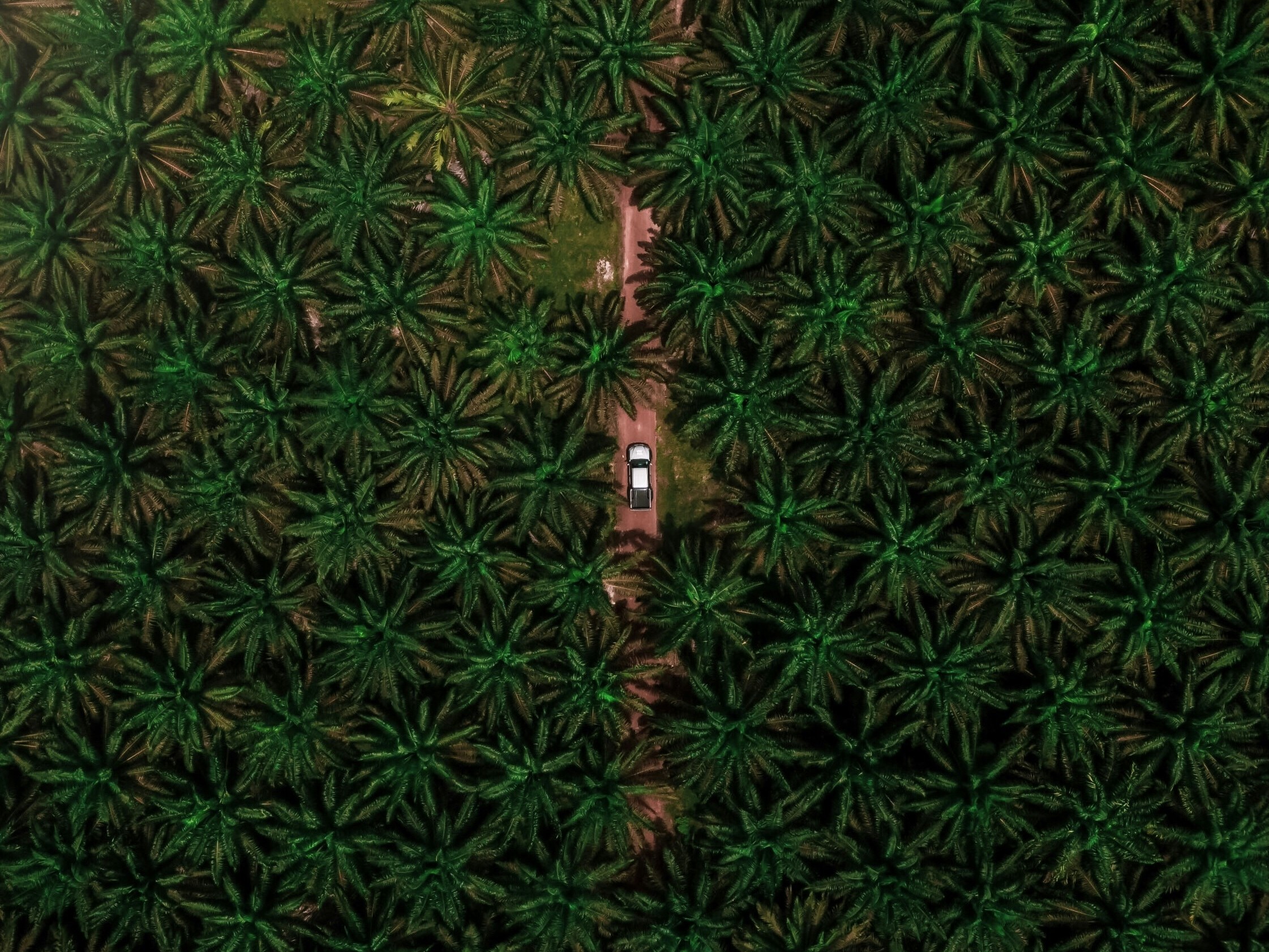
Around 60% of cement's carbon emissions come from limestone calcination — a chemistry-inherent process that energy efficiency alone cannot solve — meaning meaningful decarbonization requires clinker reduction, alternative materials, and ultimately carbon capture.

Indonesian cement exports to the EU will face carbon border adjustment costs from 2026, and producers without GCCA-compliant GHG inventories cannot calculate their liability or reduce it before the mechanism's full implementation.
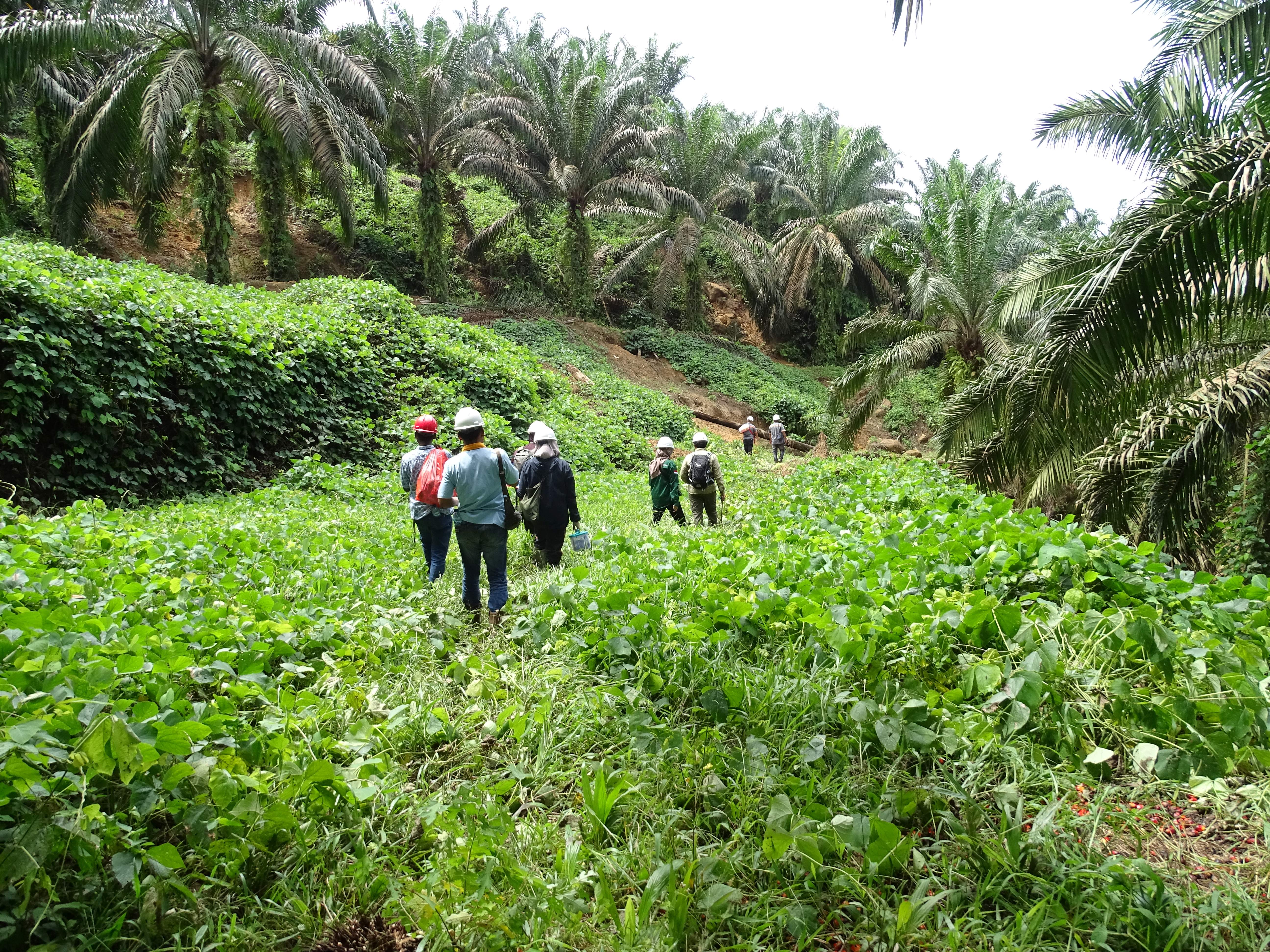
Cement producers without verified Environmental Product Declarations based on product LCA are excluded from the growing premium green building supply chain — a market segment that commands price premiums and is growing faster than conventional construction.


Antasena 2, Gg. Antasena II, RT.03/RW.18, Tegal Weru, Sariharjo, Kec. Ngaglik, Kabupaten Sleman, Daerah Istimewa Yogyakarta


.png)

.jpg)

