


Indonesia's oil and gas sector contributes approximately 3.5% of GDP and remains a critical energy security pillar producing around 660,000 barrels of oil per day and 5,700 MMSCFD of gas as of 2023. However, the sector is under intense global scrutiny for methane emissions a greenhouse gas 86 times more potent than CO₂ over a 20-year period. Indonesia is a signatory to the Global Methane Pledge, committing to a 30% reduction in methane emissions by 2030.
Methane leakage from upstream operations, pipelines, and processing facilities remains a major unaddressed source of climate impact. Beyond methane, O&G companies in Indonesia face a convergence of pressures: mandatory energy management reporting under ESDM regulations, PROPER environmental performance ratings from KLHK, growing investor demands for TCFD-aligned climate risk disclosures, and downstream buyers requiring verified carbon footprints for LNG and petrochemical products. Companies that proactively measure, disclose, and reduce their environmental impact are better positioned to attract capital, retain export markets, and manage regulatory risk in a rapidly evolving policy landscape.
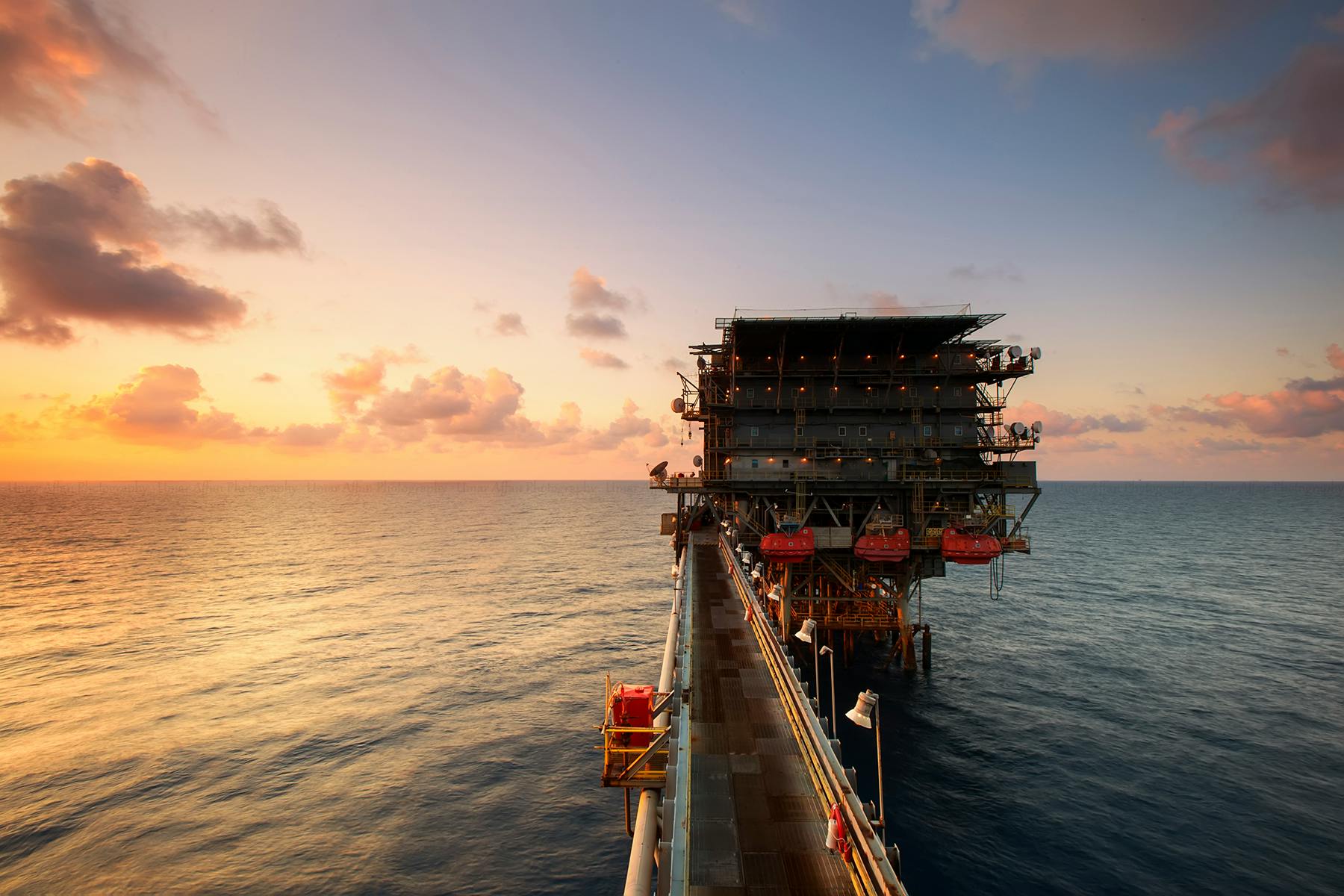

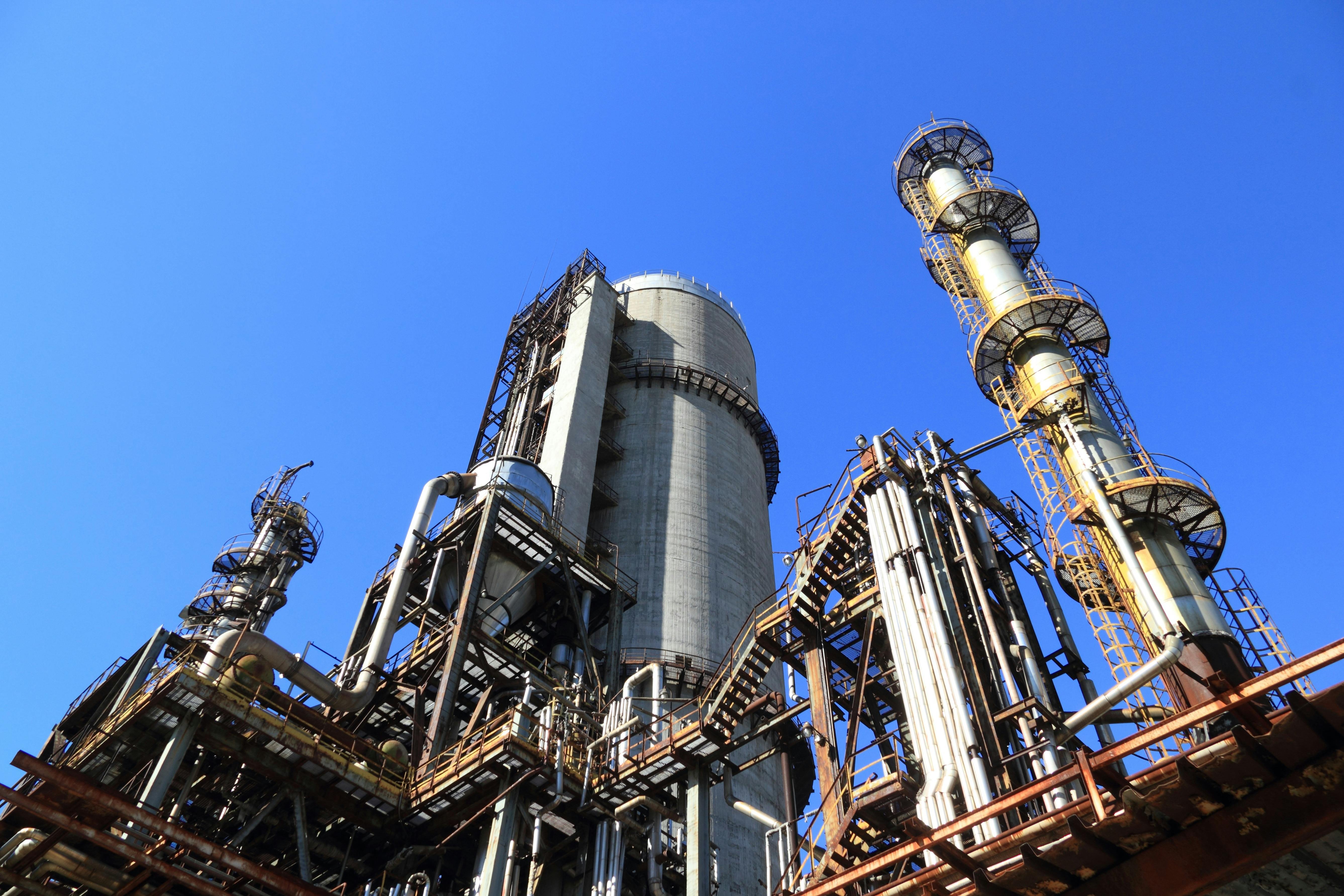
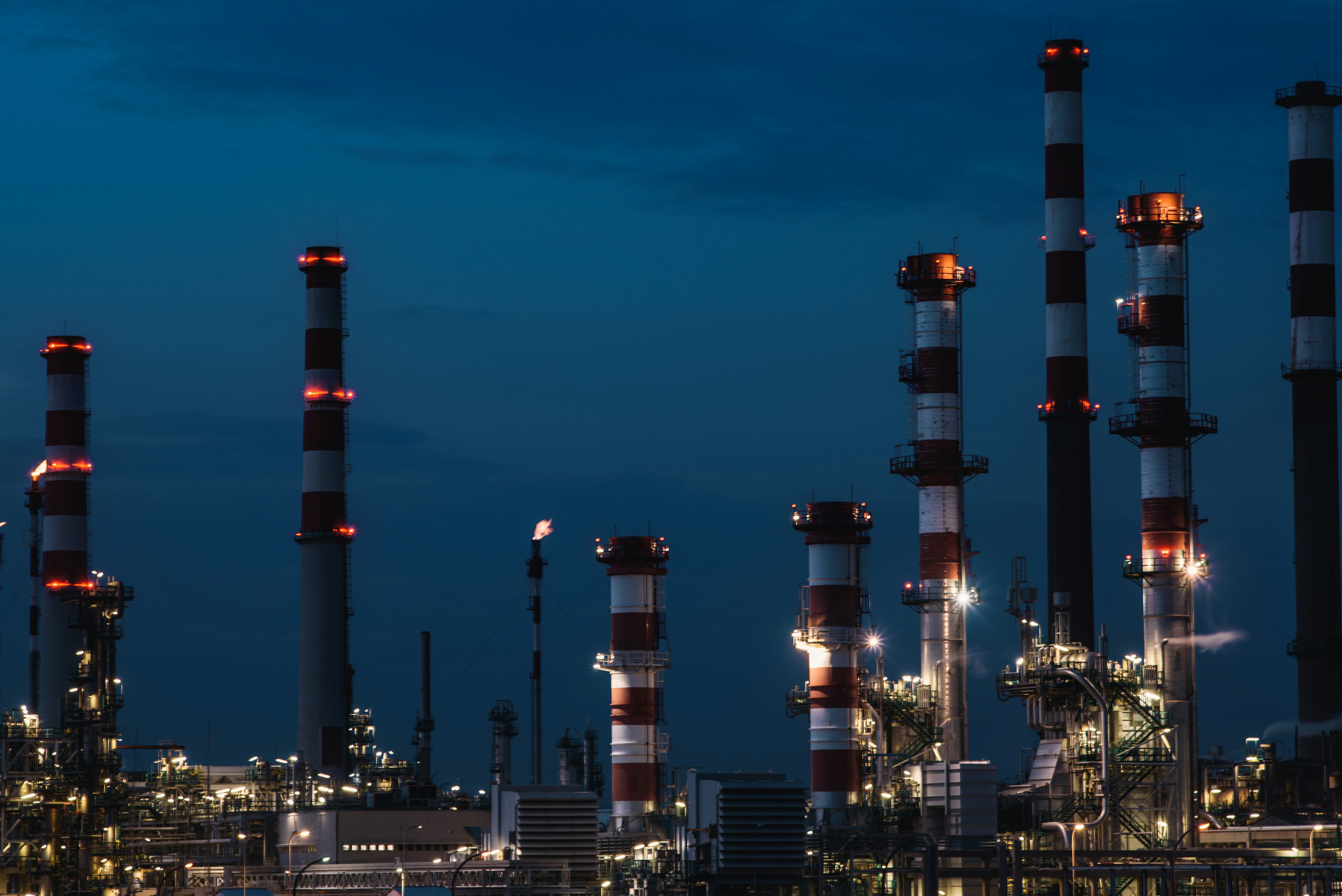


Most Indonesian O&G operators have never systematically measured methane emissions from their infrastructure — a critical gap given Indonesia's Global Methane Pledge commitments and the growing investor requirement for OGMP 2.0-aligned reporting.

International lenders and institutional investors are conditioning O&G financing on TCFD-aligned climate risk disclosure and verified GHG data — and companies without structured ESG programs are finding sustainable finance instruments increasingly out of reach.
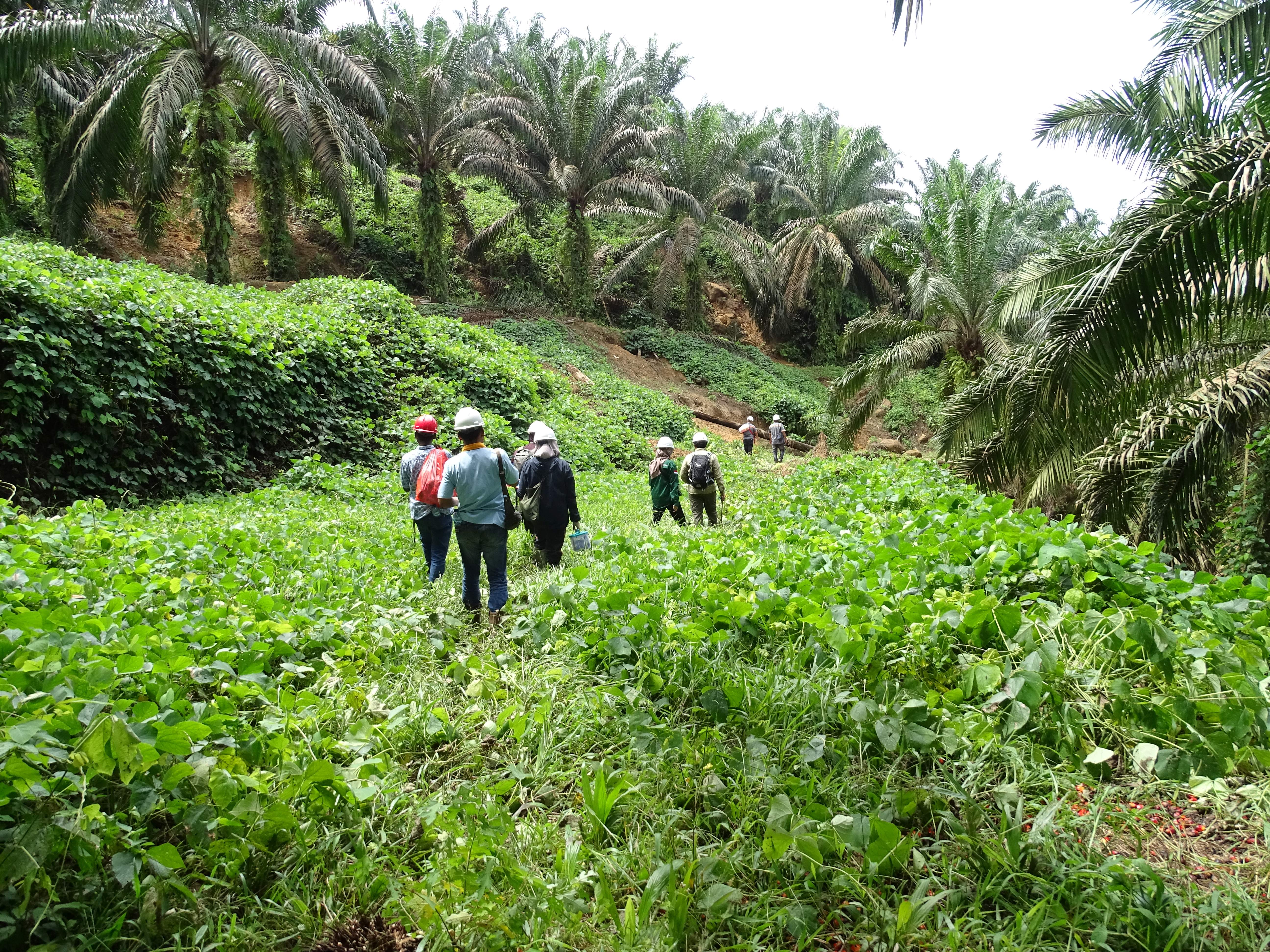
Navigating ESDM energy reporting, KLHK PROPER, AMDAL compliance, and methane pledge commitments simultaneously creates significant compliance management burden — and without a coordinated approach, regulatory gaps and inconsistencies are almost inevitable.


Antasena 2, Gg. Antasena II, RT.03/RW.18, Tegal Weru, Sariharjo, Kec. Ngaglik, Kabupaten Sleman, Daerah Istimewa Yogyakarta


.png)

.jpg)

